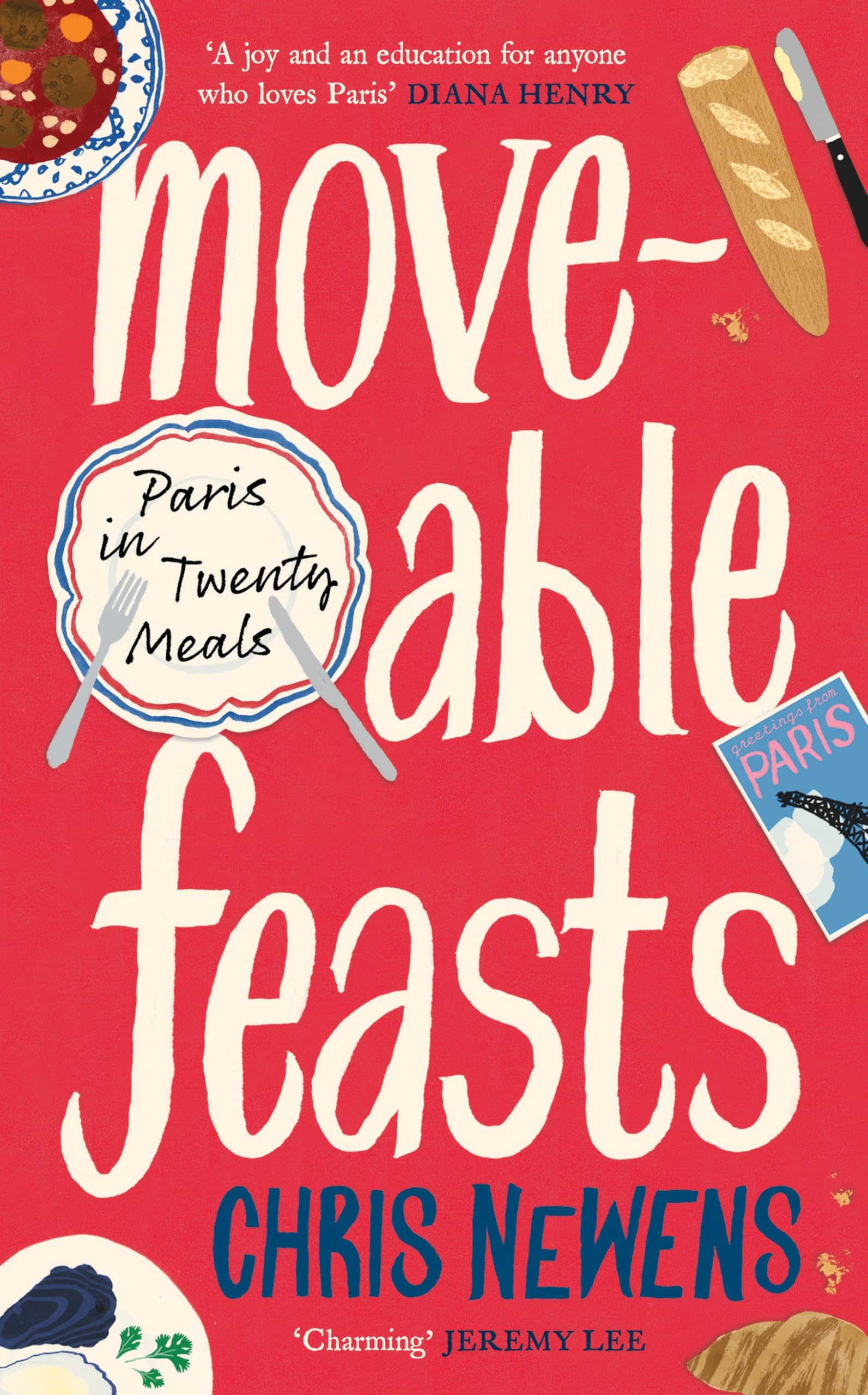
 Moveable Feasts: Paris in Twenty Meals by Chris Newens sees the expat Englishman tour the 20 arrondissements of the French capital, sampling the local cuisine of each neighbourhood. There are visits to iconic venues such as the famous Les Deux Magots café in Saint-Germain-des-Prés and the Cordon Bleu cookery school, exploring whether the most obvious clichés about French cuisine really are true or not. It isn’t all fine dining though, and Newens also seeks out some less obvious locations including Rungis which is said to be the largest wholesale market for fresh produce in the world, a homeless kitchen near the Bois de Vincennes and a memorable chapter about the charcuterie brunch buffet on offer at a sex club in Pigalle. Moveable Feasts is ultimately about how gastronomic culture intertwines with gentrification and immigration in France and it is both an insightful and entertaining piece of food writing.
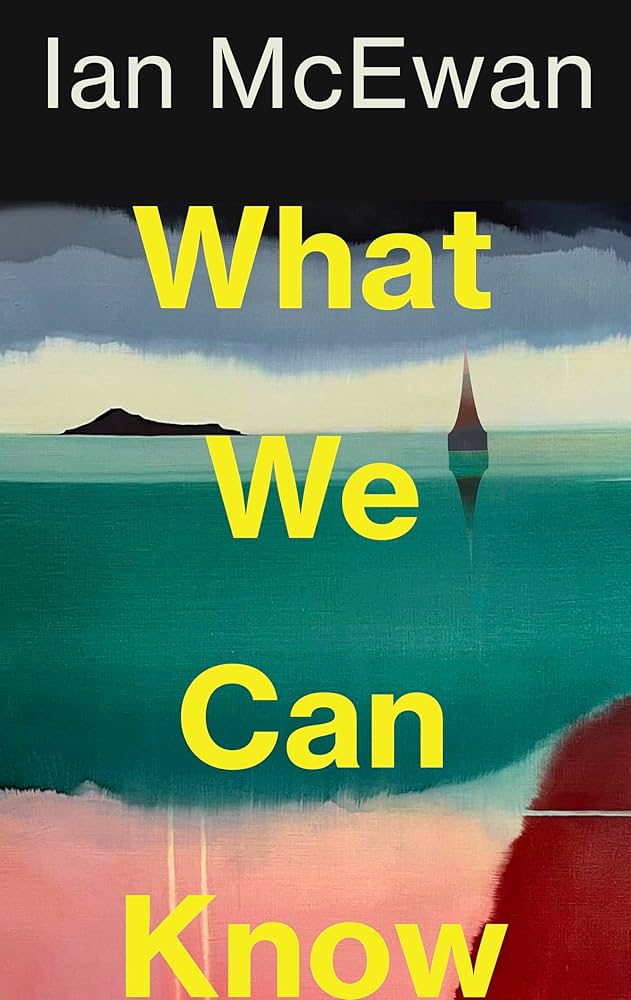 What We Can Know by Ian McEwan is a speculative dystopian novel set in the early 22nd century when Britain is mostly underwater. Against a backdrop of the dire consequences of climate change and the overreach of AI, Thomas Metcalfe, a humanities scholar specialising in early 21st century literature, becomes obsessed with a missing poem, a corona of 15 sonnets written by Francis Blundy in 2014 which he dedicated to his wife, Vivien. The elaborate structure of the novel becomes more effective in the second half which is told from Vivien’s perspective and is much more gripping after a bit of a slow start. What We Can Know is a typically ambitious and cerebral novel from McEwan about nostalgia, unreliable memories and different perspectives of history on a grand scale as well as the interpretation of more personal events. Many thanks to Vintage Books for sending me a review copy via NetGalley.
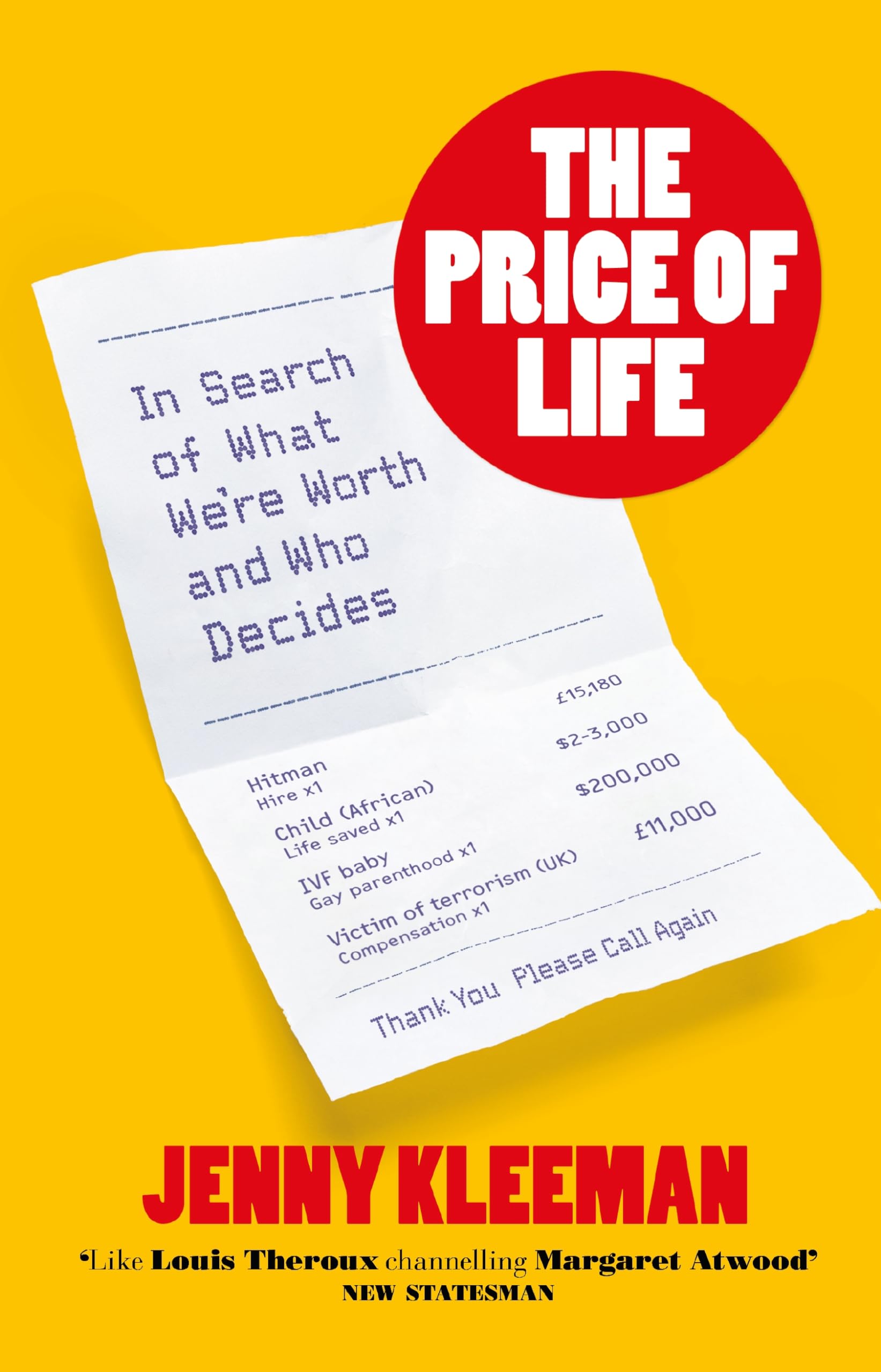 The Price of Life by Jenny Kleeman explores the value of human life in a variety of scenarios from birth to death, including the price of hiring a hitman (about £15,000), a kidnap ransom (on average about $369,000) and IVF treatment for gay couples (up to $200,000). I heard about this book from an article about the wildly different compensation payouts for victims of the London Bridge terrorist attack in June 2017. The cost-benefit analysis involved in calculating such prices can come across as brutally dispassionate, such as the National Institute for Health and Care Excellence’s decisions on which life-saving drugs should be available on the NHS based on judgments of quality-adjusted life years. While the chapter on altruistic philanthropists initially sounded more hopeful, their merciless pursuit of efficiency and prioritisation doesn’t always yield the best results either. The Price of Life offers a fascinating and thorough examination of uncomfortable moral questions about what happens when issues of life and death collide with law and money.



 A Little Blog of Books
You must be logged in to post a comment.