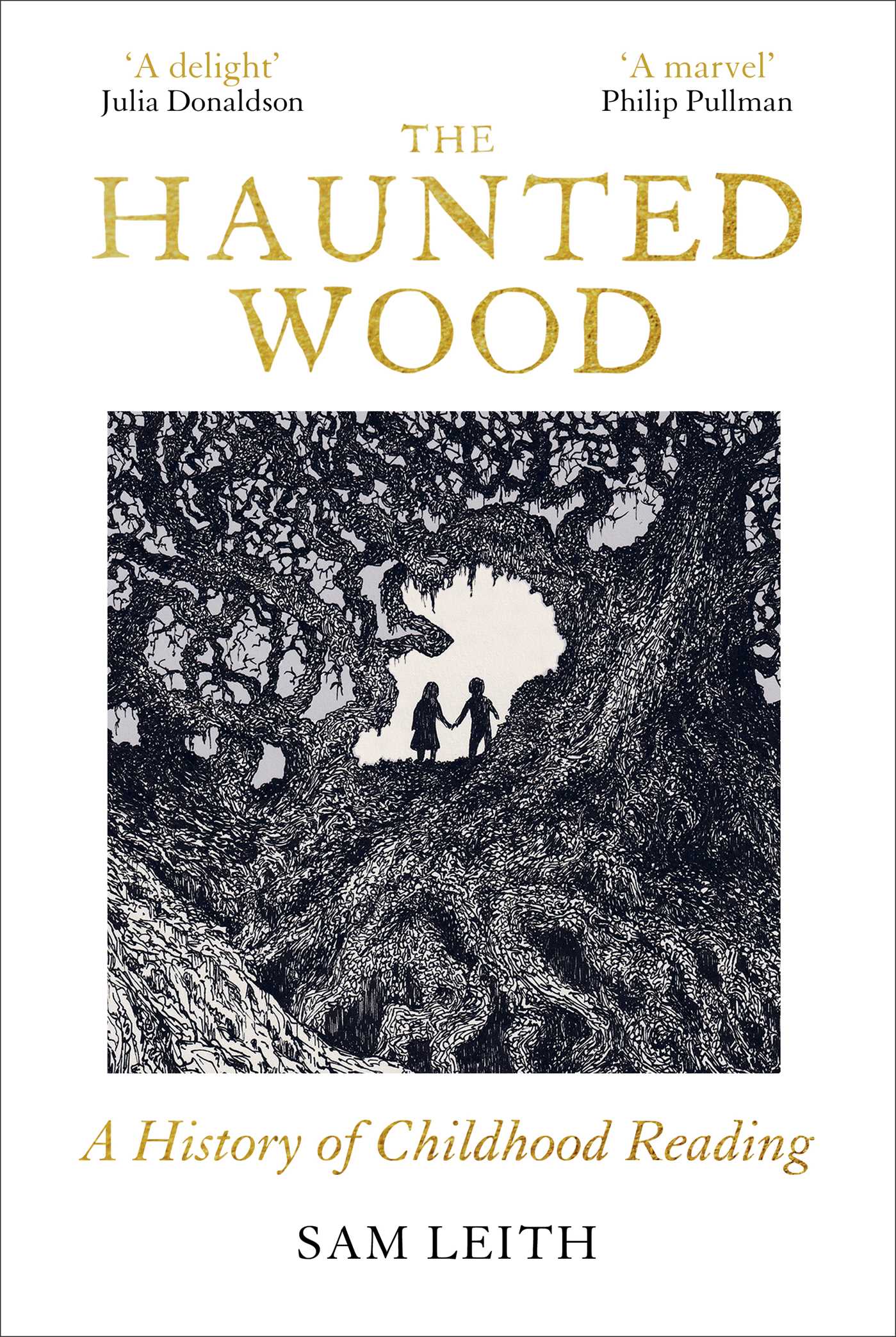
 The Haunted Wood by Sam Leith is a survey of childhood reading from Aesop to J. K. Rowling. With a focus on British children’s literature, Leith examines how ideals of what childhood should look like have shifted over the years and how that has been reflected in books aimed at younger readers. Leith’s excellent pen portraits of various children’s authors show that the majority seem to have had some sort of major trauma in their life. Some like Roald Dahl are already well-known, but I didn’t know that E. Nesbit had had such a terrible time of it. The chapter about Harry Potter neatly shows how many homages to children’s books are contained in the series and Leith’s analysis of the delights of picture books are a particular joy. There are inevitable gaps even in a very long book, particularly because the topic of childhood reading is almost always discussed from a personal angle, but the broad span of The Haunted Wood makes it very pacy and enjoyably nostalgic to read.
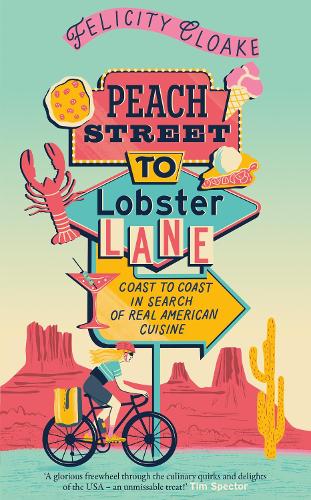 Peach Street to Lobster Lane by Felicity Cloake documents the food writer’s tour across the United States by bike and train, very much along the same lines of her culinary excursions around Britain and France in recent years. From San Francisco to New York City during the summer of 2024, Cloake sets out on a mission to prove that there is much more to American food culture than doughnuts and hamburgers, although she consumes plenty of those too. During her travels, she visits the Tabasco factory in Louisiana, a popcorn museum in Ohio and attends a hot dog eating contest on Coney Island but doesn’t participate. Peach Street to Lobster Lane easily passed the basic test of all good food writing which is that it made me feel very hungry where the food is appealing, but also slightly queasy at the less tempting aspects of American cuisine such as processed cheese. I hope Cloake is considering a tour of Italy for her next book.
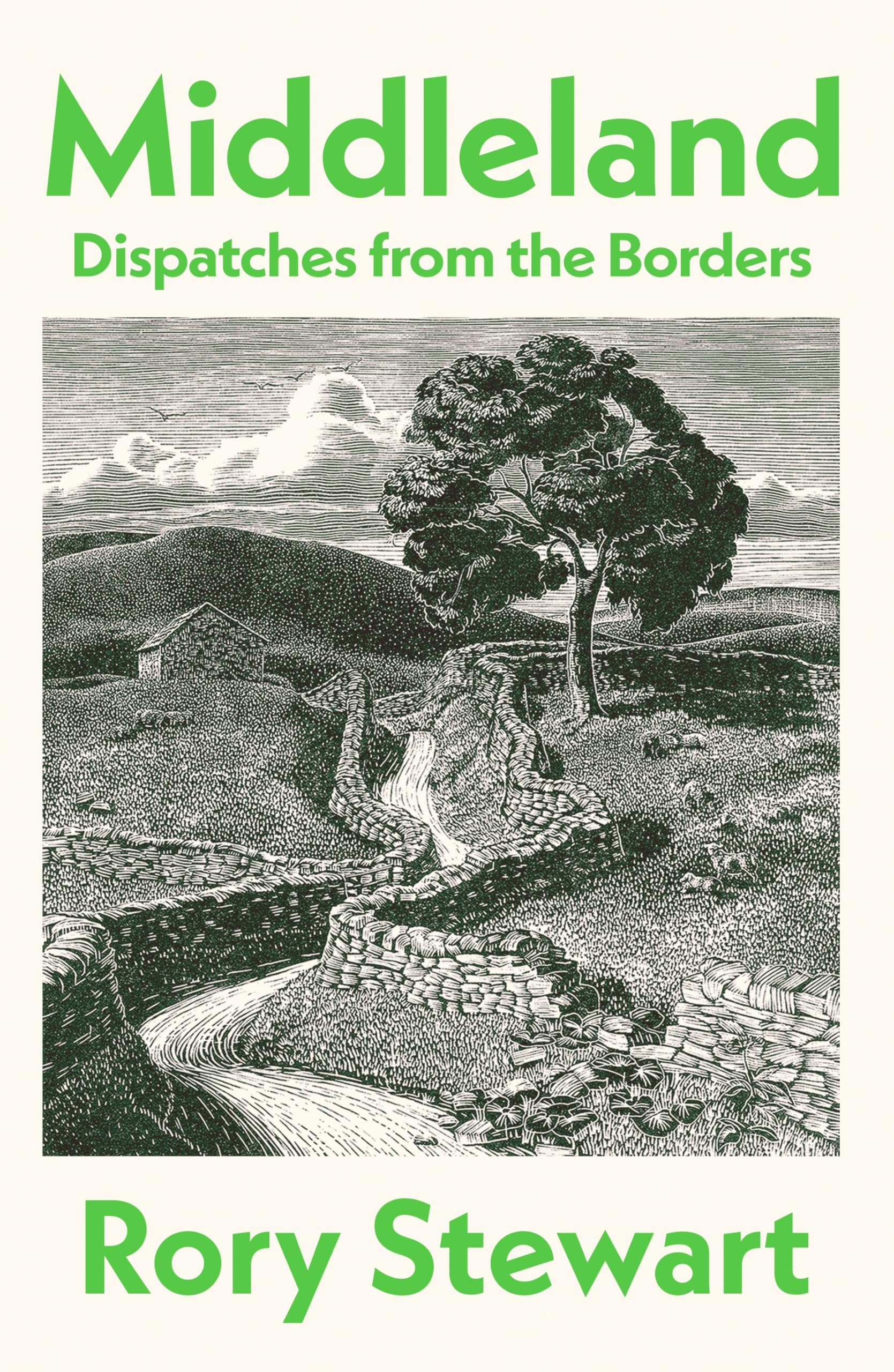 Middleland by Rory Stewart is a collection of the former MP’s writing about Cumbria in north-west England. The 800-word pieces were originally written for a local newspaper, the Cumberland and Westmorland Herald, while Stewart was an MP for Penrith and the Border between 2010 and 2019, and they mostly detail his engagements with constituents, reflections on Cumbrian heritage and landscape near the border with Scotland and his epic walks across the county. Stewart is knowledgeable about the history of Cumbria, and seems to genuinely care about the area. There is some crossover with his excellent memoir Politics on the Edge and Stewart’s disaffection with Westminster and its disconnect with rural communities is thoughtfully illustrated here.
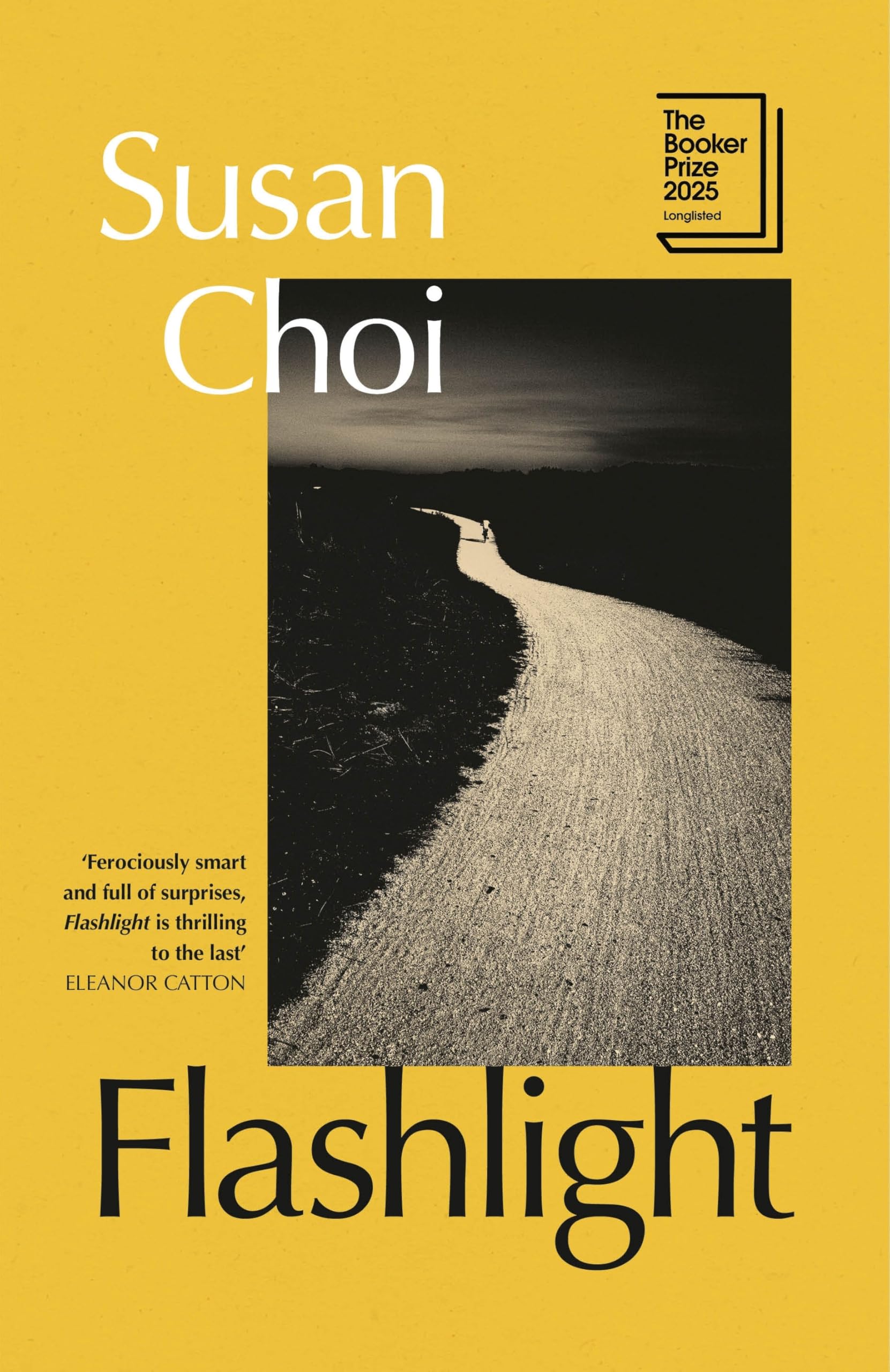 Flashlight by Susan Choi was shortlisted for last year’s Booker Prize and is a novel which spans Japan, Korea and the United States over the second half of the twentieth century. Told from the perspectives of Louisa, her American mother, Anne, and her Korean father, Serk, who was born in Japan during the Second World War, the fallout of Serk’s disappearance when Louisa is ten years old in the late 1970s has far-reaching consequences for the family. Sweeping multigenerational family sagas aren’t always my favourite type of literary fiction, but Flashlight is a novel that wears its ambition lightly. The pace felt uneven at times, but the small cast of main characters allows more space for Choi to explore the complexities of what is left unsaid in families which have suffered a traumatic experience. I have read and enjoyed relatively few of the recent Booker Prize winners, although I have found that it is still worth following the Prize for the shortlists which offer some interesting discoveries like this novel. Many thanks to Random House Vintage Books for sending me a review copy via NetGalley.




 A Little Blog of Books
You must be logged in to post a comment.