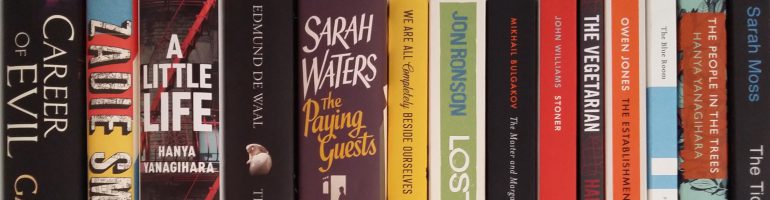
I don’t usually read many books about music in such a short space of time, but I have read some good non-fiction titles on the subject so far this year, which largely conclude that working in the music industry is not very good for your health.
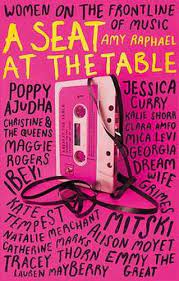 A Seat at the Table: Women on the Frontline of Music by Amy Raphael is a collection of 18 interviews with women who work in the music industry. The interviews were conducted in 2018-19 mostly with singers and songwriters across different genres while composer Jessica Curry, producer Catherine Marks and DJ Clara Amfo all reflect on similar issues with sexism and racism within the industry. In some ways, Alison Moyet and Tracey Thorn’s experiences finding fame in the 1970s and 1980s are a world away from those of the musicians who are starting out today who face the pressures of social media, #MeToo and dwindling album sales due to the rise of streaming, yet there are also some frustrating similarities such as not being taken as seriously as their male counterparts. Raphael has clearly put a lot of thought into the range of interviewees in this collection and it would be interesting to compare this alongside her 1995 companion book ‘Never Mind the Bollocks: Women Rewrite Rock’ which includes interviews with the like of Debbie Harry, Courtney Love and Bjork. Continue reading
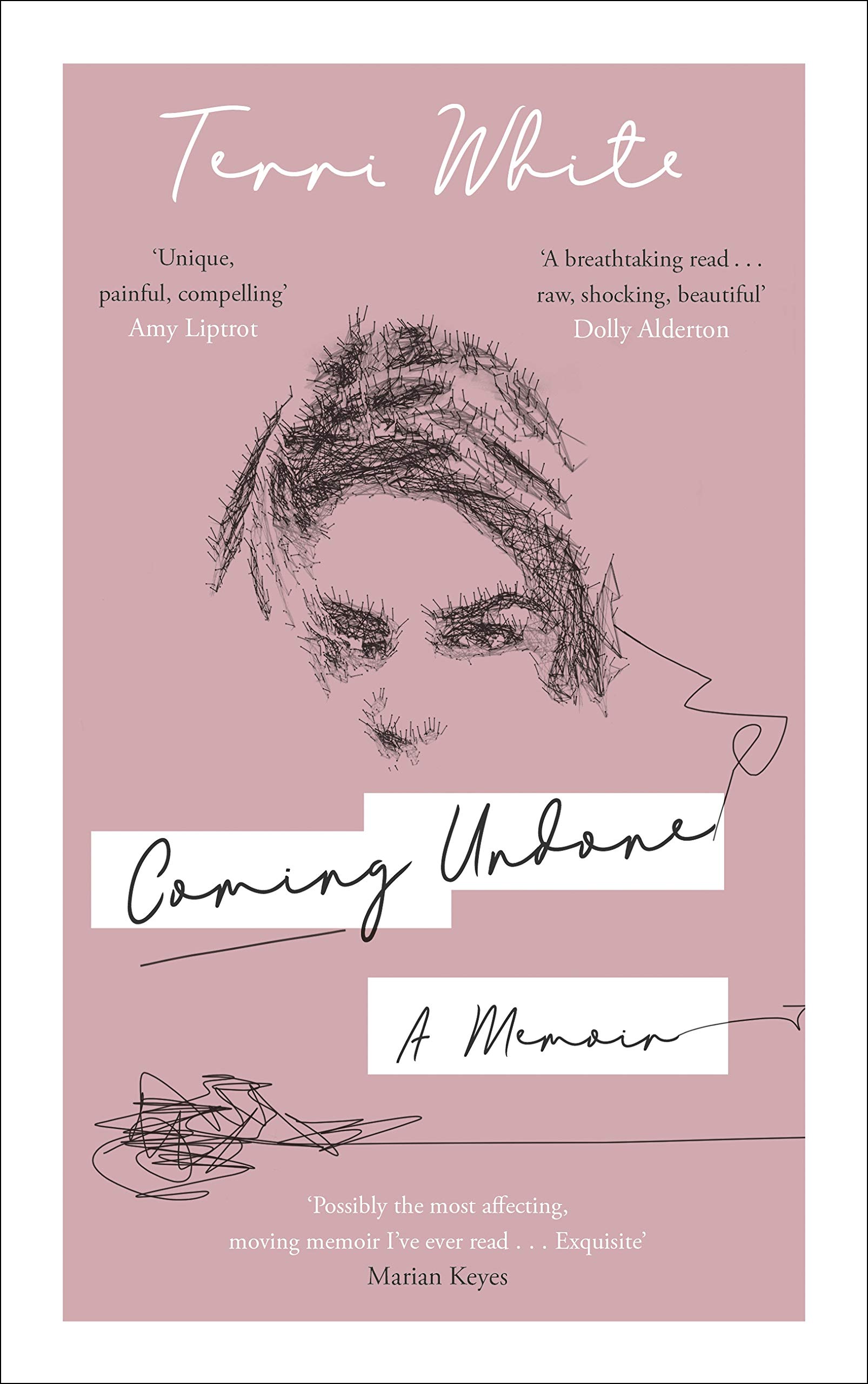

 I saw Francesca Segal in conversation with Amanda Craig at the Jewish Book Festival in March 2018 and was immediately intrigued when she said she was writing a non-fiction book about the premature birth of her identical twin daughters ten weeks before their due date. Published in the UK this week, ‘Mother Ship’ is presented as a diary of the 56 fraught days the babies (initially known as A-lette and B-lette) spent in the neonatal intensive care unit (NICU) in the weeks leading up to Christmas 2015.
 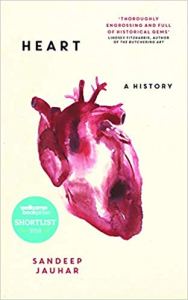 I am taking part in the Wellcome Book Prize blog tour today with a review of ‘Heart: A History’ by Sandeep Jauhar which is the final book I will be shadowing from this year’s shortlist. Jauhar is a cardiologist and director of the Heart Failure Program at Long Island Jewish Medical Center and his third book combines memoir, case studies and the history of cardiology. In the opening pages, he recounts his family history (both of his grandfathers died as a result of sudden cardiac events) and how his own CT angiogram revealed signs of early coronary artery disease. Jauhar’s obsession with this vital and remarkable organ is therefore a very personal one.
 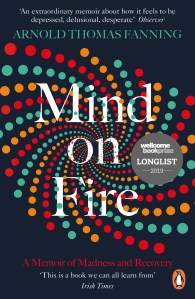 I am approaching the end of shadowing this year’s Wellcome Book Prize, and I have followed two books which explore gender as the central theme (
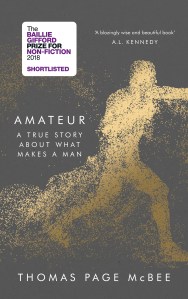 Gender is a notable theme on this year’s Wellcome Book Prize longlist and two of the books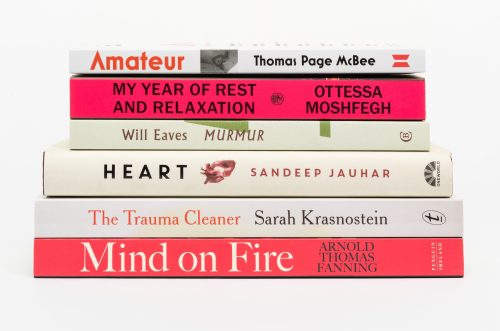
 I imagine that the majority of the books submitted for consideration are non-fiction titles (they usually dominate the shortlists at any rate) but there are a fair number of novels which could also be in the running, even though the thematic criteria is more subjective. An obvious contender among fiction titles is
  Since starting this blog, I have read various memoirs by medical professionals – a genre which provides thought-provoking insight into the practical and emotional side of modern medicine. From Atul Gawande to Suzanne O’Sullivan to Kathryn Mannix, each has offered new insight into their work and area of expertise, often through the stories of individual patients. I have recently read two more books which broaden the scope of the genre beyond case studies and explore other aspects of the author’s personal lives, careers and their specialties.
 ‘The Vaccine Race: How Scientists Used Human Cells to Combat Killer Diseases’ by Meredith Wadman is an account of the history, science and ethics of vaccine development in the United States. It primarily concerns the career of American anatomy professor Leonard Hayflick and his quest to find and mass produce the safest human cells for use in vaccines at a time when viruses such as polio and rubella were far more prevalent than they are today.
  ‘With the End in Mind: Dying, Death and Wisdom in an Age of Denial’ by Dr Kathryn Mannix is a collection of anonymised patient case studies (or “stories” as Mannix calls them) drawn from her thirty years of experience as a palliative care clinician and consultant. It has been shortlisted for this year’s Wellcome Book Prize which I am shadowing with fellow book bloggers
 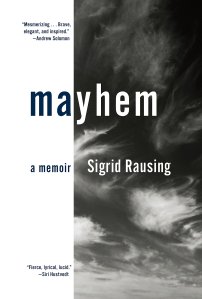 Shortlisted for the Wellcome Book Prize, ‘Mayhem’ is Sigrid Rausing’s family memoir about drug addiction. Her younger brother and heir to the Tetra Pak fortune, Hans Kristian, met American businesswoman, Eva Kemeny, when they were in rehab together in the late 1980s. They later married and became well-known philanthropists based in London. However, they relapsed and in 2007, Sigrid was granted custody of Hans and Eva’s four children. In July 2012, Hans was stopped by the police after driving erratically through London and was found with drugs in his possession. When the police searched his Belgravia mansion, they discovered Eva’s remains hidden under a mattress. She had been dead for approximately two months.


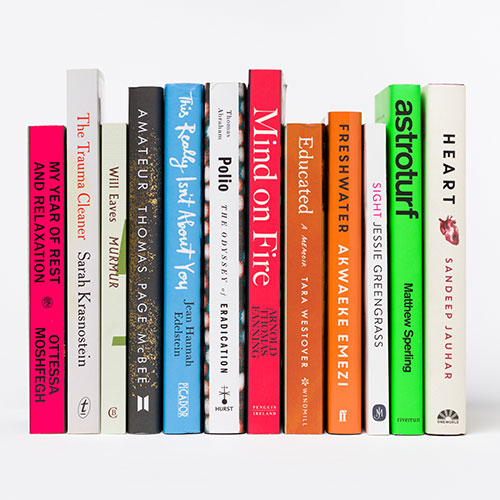
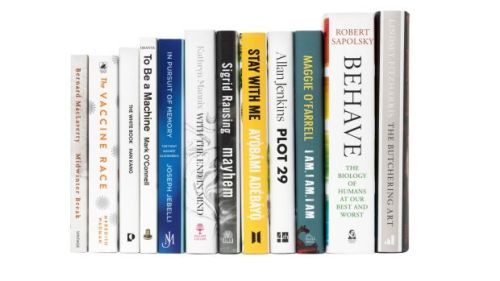 This year’s Wellcome Book Prize longlist has been announced today. The twelve books are:
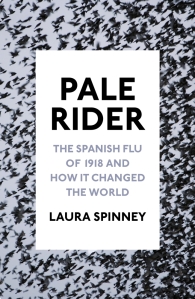 Pale Rider: The Spanish Flu of 1918 and How It Changed The World by Laura Spinney probably isn’t what most people consider to be cosy festive reading over Christmas but it is somewhat seasonal. Much of what has been written about the Spanish flu tends to focus on the impact it had on Western countries in the aftermath of the First World War but Spinney’s book is a refreshingly global account of how the virus reached all corners of the earth from Alaska to Rio de Janeiro to Samoa to China. Estimates remain vague but the Spanish flu is believed to have killed at least 50 million people worldwide, possibly as many as 100 million, and its rapid spread is likely to have been partly exacerbated by soldiers returning home at the end of the First World War.
 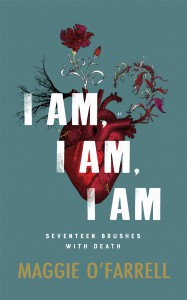 The last event I attended at the Edinburgh International Book Festival on Monday was Maggie O’Farrell in conversation with Hannah Beckerman. The discussion during the first half focused on her latest novel
 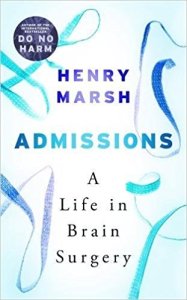 I have spent the past few days at the Edinburgh International Book Festival and on Monday, I went to a talk by Henry Marsh about his new book ‘Admissions: A Life in Brain Surgery’. I really enjoyed reading
 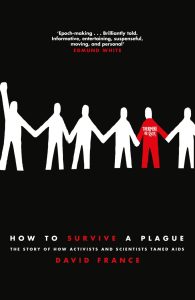 I am very pleased to be taking part in the official Wellcome Book Prize blog tour this week to champion ‘How to Survive a Plague’ by David France which is one of six titles shortlisted for this year’s prize awarded to a book on the subject of healthcare or medicine. It follows France’s 2012 Oscar-nominated documentary film of the same name and is a remarkable account of the activists and scientists who campaigned for awareness and funding towards fighting the AIDS epidemic in the United States.




 A Little Blog of Books
You must be logged in to post a comment.