 ‘The Story of the Lost Child’ is the fourth and final novel by Elena Ferrante in her series of Neapolitan novels translated from the Italian by Ann Goldstein. While the third volume Those Who Leave and Those Who Stay ended with Elena and Nino seemingly walking off into the sunset, it will come as no surprise to readers that it isn’t long before all is not well in their relationship. Having returned to Naples to be with Nino, Elena is reunited with Lila and becomes embroiled in the politics and violence of their neighbourhood once again. Continue reading
Tag Archives: Novels
The Story of the Lost Child by Elena Ferrante
Filed under Books
More Books I’ve Read in 2015
I don’t have time to write full-length reviews of everything I read but here are some thoughts on other books I’ve read and (mostly) enjoyed over the last few months of 2015.
 Whatever You Love by Louise Doughty
While I enjoyed reading Apple Tree Yard by Louise Doughty last year, I’m less sure of how I feel about ‘Whatever You Love’. Shortlisted for the Costa Novel Award in 2010, it tells the story of Laura whose nine-year-old daughter Willow is killed in a hit-and-run accident on her way to an after-school club. The majority of the novel is a relatively straightforward account of the acrimonious breakdown of Laura’s marriage to her husband David and the aftermath of Willow’s death but it has the kind of shocking and rather implausible ending which changed my whole perception of the book. The last book I read which made me feel like this was Disclaimer by Renee Knight but probably more so with this one. While ‘Apple Tree Yard’ has a similarly unsettling conclusion, I felt it was executed much more successfully compared to ‘Whatever You Love’. Doughty’s latest novel ‘Black Water’ is out next year.
Filed under Books
Crime Classics: Margery Allingham and Eric Ambler Event
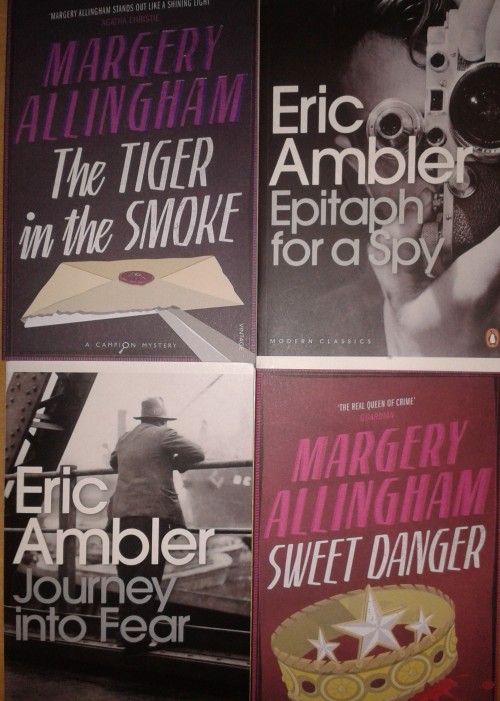
Last week, I attended another bloggers event at the Groucho Club in London to celebrate the work of classic crime writers Margery Allingham and Eric Ambler with short talks delivered by Barry Pike, a founder and Chairman of the Margery Allingham Society, and Simon Brett, a crime writer and Ambler expert. I developed an interest in classic crime fiction after reading Martin Edwards’ compendium of the genre The Golden Age of Murder last summer which outlined the lives and works of key members of the Detection Club in the early 20th century including Dorothy L. Sayers, Agatha Christie, Anthony Berkeley among others. I was therefore very keen to learn more about two other crime writers whose names were familiar to me but whose novels I had never read before.
Filed under Books
Those Who Leave and Those Who Stay by Elena Ferrante
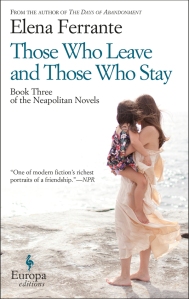 Translated from the Italian by Ann Goldstein, ‘Those Who Leave and Those Who Stay’ is the third volume of Elena Ferrante’s series of Neapolitan Novels following My Brilliant Friend and The Story of a New Name. The book opens with Elena and Lila aged in their sixties coming across the body of their childhood friend Gigliola in a church flower bed. Lila doesn’t want Elena to write an autobiographical novel about their friendship causing Elena to reflect on their early adulthood towards the end of the 1960s. Elena is engaged to be married to Pietro, a professor she met at university, and has recently published her first novel which has caused something of a stir amongst critics. Meanwhile, having left Nino, Lila is living with Enzo and working in Bruno Soccava’s sausage factory whilst bringing up her son Gennaro. Nevertheless, they remain bound to each other through their friendship and rivalry. Continue reading
Filed under Books
Did You Ever Have a Family by Bill Clegg
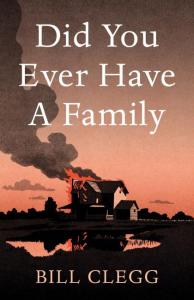 Longlisted for this year’s Man Booker Prize, ‘Did You Ever Have a Family’ by Bill Clegg opens with an explosion caused by a gas leak at June Reid’s house on the morning of her daughter’s wedding. The resulting fire destroys the whole house and kills June’s boyfriend Luke, ex-husband Adam, daughter Lolly, and Lolly’s fiancé William. June is the sole survivor and in the wake of the tragedy, she drives across the country to Washington. During her journey, details about the lives of the characters involved and the cause of the fire begin to emerge. Continue reading
Filed under Books
One Flew Over The Cuckoo’s Nest by Ken Kesey
 I originally intended to write a blog post about ‘One Flew Over The Cuckoo’s Nest’ by Ken Kesey during Banned Books Week (27th September – 3rd October). However, I fell a bit behind with my reviewing around that time and while it’s important to have these events to spread awareness, reading banned books needn’t be restricted to just one week of the year. First published in 1962 followed by an equally famous film adaptation in 1975 starring Jack Nicholson, the story is set in a psychiatric hospital in Oregon and follows the lives of the patients who live under the controlled regime of Nurse Ratched. However, the arrival of a new patient, Randle McMurphy, who faked insanity to serve his prison sentence in what he believed would be more comfortable surroundings, soon changes everything.
Continue reading
Filed under Books
Things We Have in Common by Tasha Kavanagh
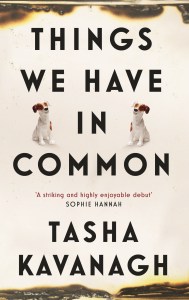 While the Man Booker Prize is one of the most high-profile literary awards in the world (and congratulations to Marlon James for last night’s win by the way), the alternative Not the Booker prize run by the Guardian’s books website has also been growing in popularity over the past few years. ‘Things We Have in Common’ by Tasha Kavanagh was featured on this year’s Not the Booker shortlist and was narrowly pipped to the post by Kirstin Innes’ novel ‘Fishnet’ which won the overall prize on Monday. ‘Things We Have in Common’ is narrated by Yasmin Laksaris, an overweight half-Turkish teenager who becomes obsessed with Alice Taylor, one of the most popular girls at school. Yasmin spots a man watching Alice outside school and when she goes missing, Yasmin is convinced she already knows who has taken her. Continue reading
Filed under Books
The Woman in White by Wilkie Collins
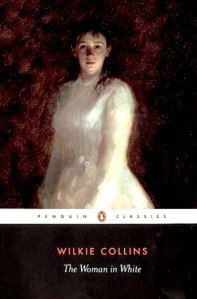 Having read some slightly silly thrillers recently in the form of I Am Pilgrim by Terry Hayes, I thought it was time to read one of the very first “sensation” books of the mystery genre. Originally published in serial form between 1859 and 1860, ‘The Woman in White’ is Wilkie Collins’ most famous novel and also happens to be a book which has been on my reading list for a very long time. It opens with Walter Hartwright encountering a mysterious woman dressed all in white near Hampstead Heath. He is later hired to tutor Laura Fairlie and her half-sister Marian Halcombe in watercolour painting at Limmeridge House in Cumberland. Walter falls in love with Laura but she is engaged to Sir Percival Glyde. Although Walter learns that the woman in white is Anne Catherick, a local woman who has escaped from an asylum, he notices that Laura bears a striking resemblance to her. After their marriage, Sir Percival and Laura return to live in Blackwater accompanied by Glyde’s friend Count Fosco, one of the most formidable villains in literature who concocts a cunning plan to help Sir Percival get his hands on Laura’s money. Continue reading
Filed under Books
I Am Pilgrim by Terry Hayes
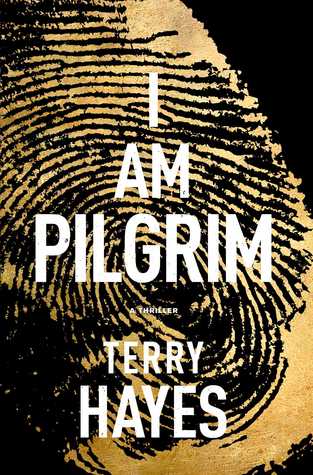 ‘I Am Pilgrim’ by Terry Hayes opens with an elite intelligence agent codenamed Pilgrim being brought out of retirement to investigate the brutal murder of a woman in the rundown Eastside Inn in New York whose identifying features have all been dissolved with acid. Meanwhile, Pilgrim is also attempting to track down a Saudi Arabian doctor known as the Saracen who was radicalised after his father was publicly beheaded and is seeking revenge by unleashing a deadlier version of smallpox on the United States. It later transpires that the two investigations are closely linked. Continue reading
Filed under Books
Four More Books I’ve Read This Summer
I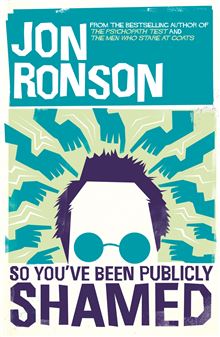 blogged about Jon Ronson’s talk at the Hay Festival earlier this year which was about his latest book So You’ve Been Publicly Shamed. I read it a couple of weeks after attending the Festival and it is by far the most terrifying book I’ve read this year. Shame is one of the most powerful yet least talked-about human emotions and Ronson examines the dark consequences of shaming people on social media, usually after they have said or done something politically incorrect. Having already heard Ronson talk about the main content of the book such as the Justine Sacco and Jonah Lehrer cases, there were fewer elements of surprise for me when reading it as some of the material was already familiar. However, Ronson’s observations on the subject are very astute and he has chosen an interesting range of examples for the book. Although ‘So You’ve Been Publicly Shamed’ doesn’t provide any real “answers” as to why people shame others, it is a thought-provoking look at the very modern phenomenon of online mob justice. Continue reading
Filed under Books
The Man in a Hurry by Paul Morand
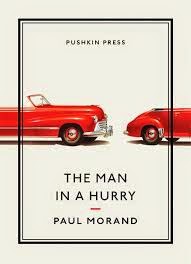 Originally published as ‘L’Homme pressé’ in 1941, ‘The Man in a Hurry’ by Paul Morand has recently been translated from the French by Euan Cameron and printed by Pushkin Press. It tells the story of Pierre Niox, a Parisian antiques dealer who is permanently in a rush to get things done. His friends, business partner, valet and even his cat can’t keep up with his frenetic pace of life and gradually abandon him. However, when Pierre falls in love with the laidback and easy-going Hedwige, he is forced to adapt his impulsive behaviour to win her over by learning how to settle down and savour the simple things in life. Continue reading
Filed under Books
Is the new Man Booker International Prize good news for translated fiction?
 It was announced earlier this week that the Man Booker International Prize and the Independent Foreign Fiction Prize will be merging next year to create a new literary prize for translated fiction.
Novels and short story collections translated into English and published in the UK will be eligible for the annual Man Booker International Prize with a longlist of twelve or thirteen novels announced in March, a shortlist in April and the winner in May. Like the Independent Foreign Fiction Prize, the award will be shared equally between the author and translator. Continue reading
Filed under Books
My Brilliant Friend by Elena Ferrante
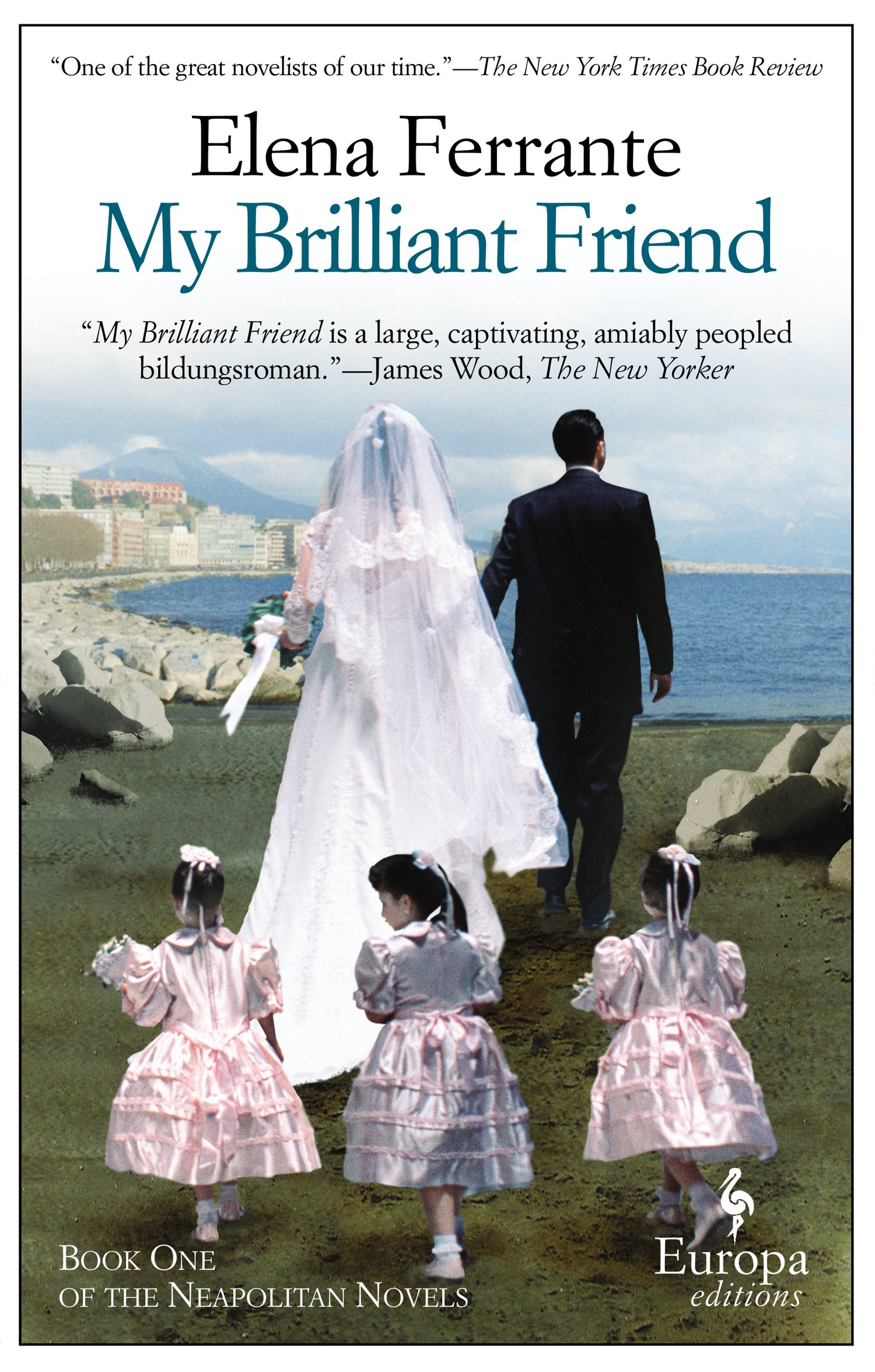 ‘My Brilliant Friend’ is the first in the series of Elena Ferrante’s Neapolitan Novels. Translated from the Italian by Ann Goldstein, it tells the story of two young girls, Elena Greco and Raffaela “Lila” Cerullo, spanning their friendship over the years. The series opens with Elena, aged in her sixties, taking a telephone call from Lila’s son Rino who informs her that Lila has gone missing. Having received this news, Elena looks back on her childhood and adolescence growing up with her lifelong friend outside Naples during the late 1950s and 1960s. Continue reading
Filed under Books
Disclaimer by Renee Knight
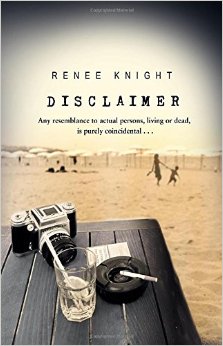 ‘Disclaimer’ by Renee Knight tells the story of Catherine Ravenscroft, a woman who starts reading a book entitled ‘The Perfect Stranger’ which she doesn’t remember buying and has mysteriously turned up on her bedside table in the chaos of moving house. However, although supposedly fictional, the story is about a real life-changing event which happened to Catherine twenty years ago. Neither her husband Robert nor her son Nicholas know about it and the words in the disclaimer “any resemblance to actual persons living or dead is unintentional and purely coincidental” have been deliberately crossed out in red ink. The author of the book is Stephen Brigstocke, a retired teacher who wants to make Catherine pay for what happened all of those years ago. Continue reading
Filed under Books
The Buried Giant by Kazuo Ishiguro
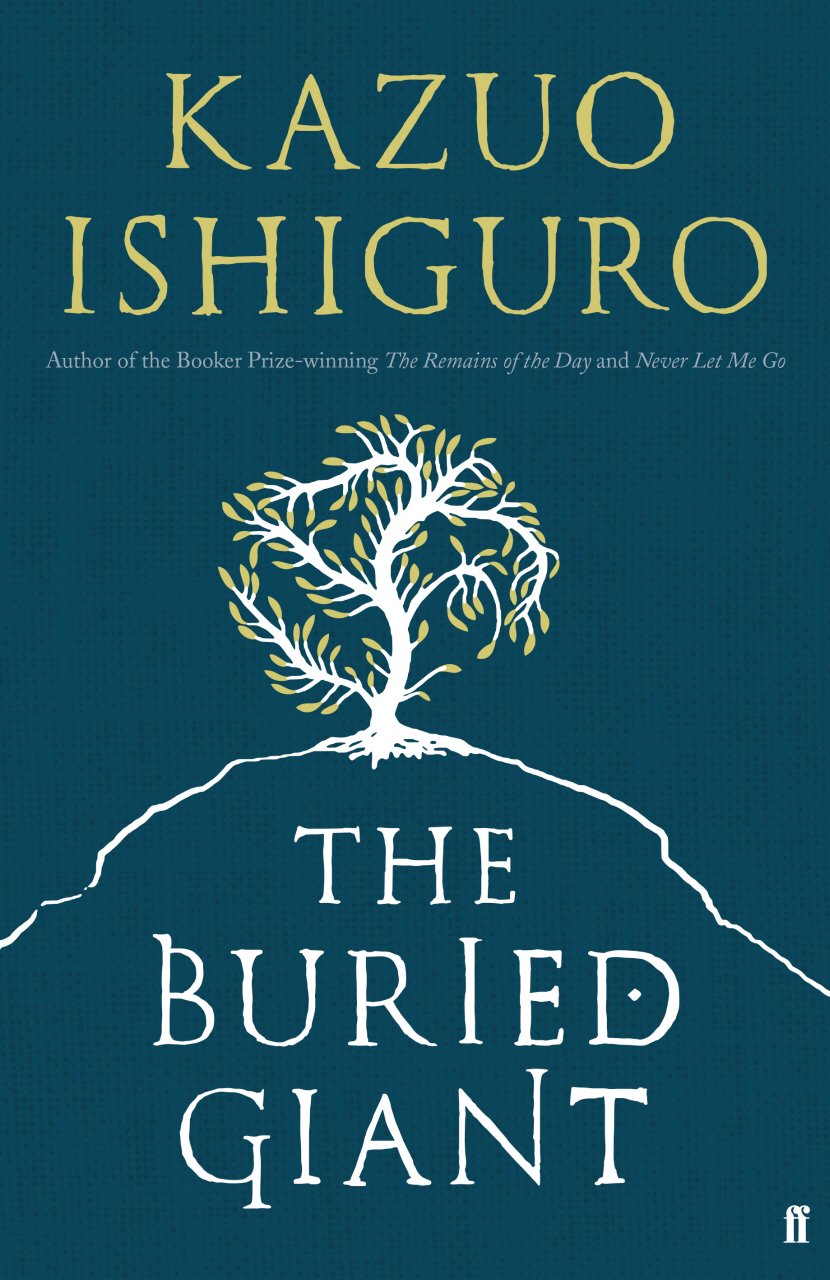 I’ve had mixed views about Kazuo Ishiguro’s novels in the past. I was baffled by ‘Never Let Me Go’ but enjoyed it, I was even more baffled by ‘The Unconsoled‘ and enjoyed it much less. I liked ‘When We Were Orphans’ but thought it wasn’t quite as good as ‘The Remains of the Day’ which I think is a modern classic. My initial thoughts on his latest novel ‘The Buried Giant’ definitely lean more towards bafflement than enjoyment.
Filed under Books
Five Books I’ve Read Recently
I normally write a post about books I have read but haven’t reviewed at the end of the year but I may start doing review round-ups a bit more frequently so I don’t fall too far behind. Here are my thoughts about five books I’ve read in the past three months or so:
 Dubbed as a “Facebook thriller”, Kiss Me First by Lottie Moggach tells the story of socially awkward Leila, who is approached by Adrian Dervish to impersonate Tess Williams online to create the illusion that Tess is still alive after she has committed suicide. It’s not uncommon for me to have mixed feelings about a book but I usually have some idea of whether I either liked it or disliked it overall. However, the reason I didn’t review ‘Kiss Me First’ around the time I read it back in March was because I genuinely had no idea how I felt about it. The concept was cleverly manipulated but I still felt the implausible elements of the story generally outweighed the plausible ones, particularly the pretence of keeping Tess “alive” online. Either way, it would certainly be an interesting novel to discuss in a book group. Continue reading
Filed under Books
Hay Festival: Jessie Burton and Jon Ronson
I went to two events during my second day at the Hay Festival on Monday. First up in the morning was Jessie Burton in conversation with Georgina Godwin about her novel ‘The Miniaturist’ in the Tata tent. The event was the last day of the official tour to promote her novel which was on of the biggest debuts of 2014. As Godwin noted in her introduction, the book “went viral in an analogue way” becoming a word-of-mouth bestseller and has since been published in 34 countries.

Filed under Books
The Versions of Us by Laura Barnett
 Widely touted as “Sliding Doors meets One Day”, ‘The Versions of Us’ by Laura Barnett tells the story of Eva Edelstein and Jim Taylor who meet as undergraduates at Cambridge University in the late 1950s. Eva is injured in a cycling accident after swerving to avoid a dog and from this point onwards, there are three versions of their story. In one version, Eva and Jim start a relationship. In another version, Eva barely acknowledges Jim and marries her current boyfriend, David. In another version, Eva discovers she has fallen pregnant and cuts Jim out of her life to marry David. Continue reading
Filed under Books
Stoner by John Williams
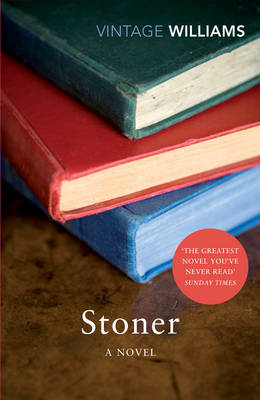 As noted by The Millions, “There are things that are famous for being famous, such as the Kardashians, and then there are things that are famous for not being famous, such as John Williams’s Stoner”. This week marks the fiftieth anniversary since ‘Stoner’ was first published but the almost forgotten novel has only become well-known in the last couple of years some two decades after the author’s death and ten years after being reissued. Somewhat ironically, it is revealed in the first paragraph that the main character, William Stoner, is also quickly forgotten by his students and colleagues after his death in 1956. Originally a student of agriculture entering the University of Missouri as a freshman in 1910, he later switches to literature and becomes an academic and professor. Continue reading
Filed under Books
How to be both by Ali Smith
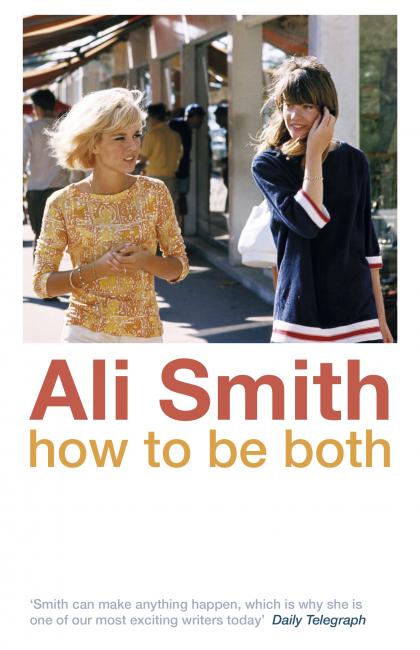 Now that the shortlist for the Independent Foreign Fiction Prize has been released, I am taking a break from reading and reviewing translated fiction for a while. ‘How to be both’ by Ali Smith has been shortlisted for just about every major literary award in recent months including the Man Booker Prize, the Folio Prize, the Baileys Women’s Prize for Fiction and the Costa Book Awards as well as winning the Goldsmiths Prize and the more I have heard about it in recent months, the more I have wanted to read it. One half is set in fifteenth century Italy and tells the story of al fresco Renaissance artist Franceshco del Cossa. The other half is set in modern Britain and tells the story of a sixteen-year-old girl called George whose mother has recently died. Continue reading
Filed under Books



 A Little Blog of Books
You must be logged in to post a comment.