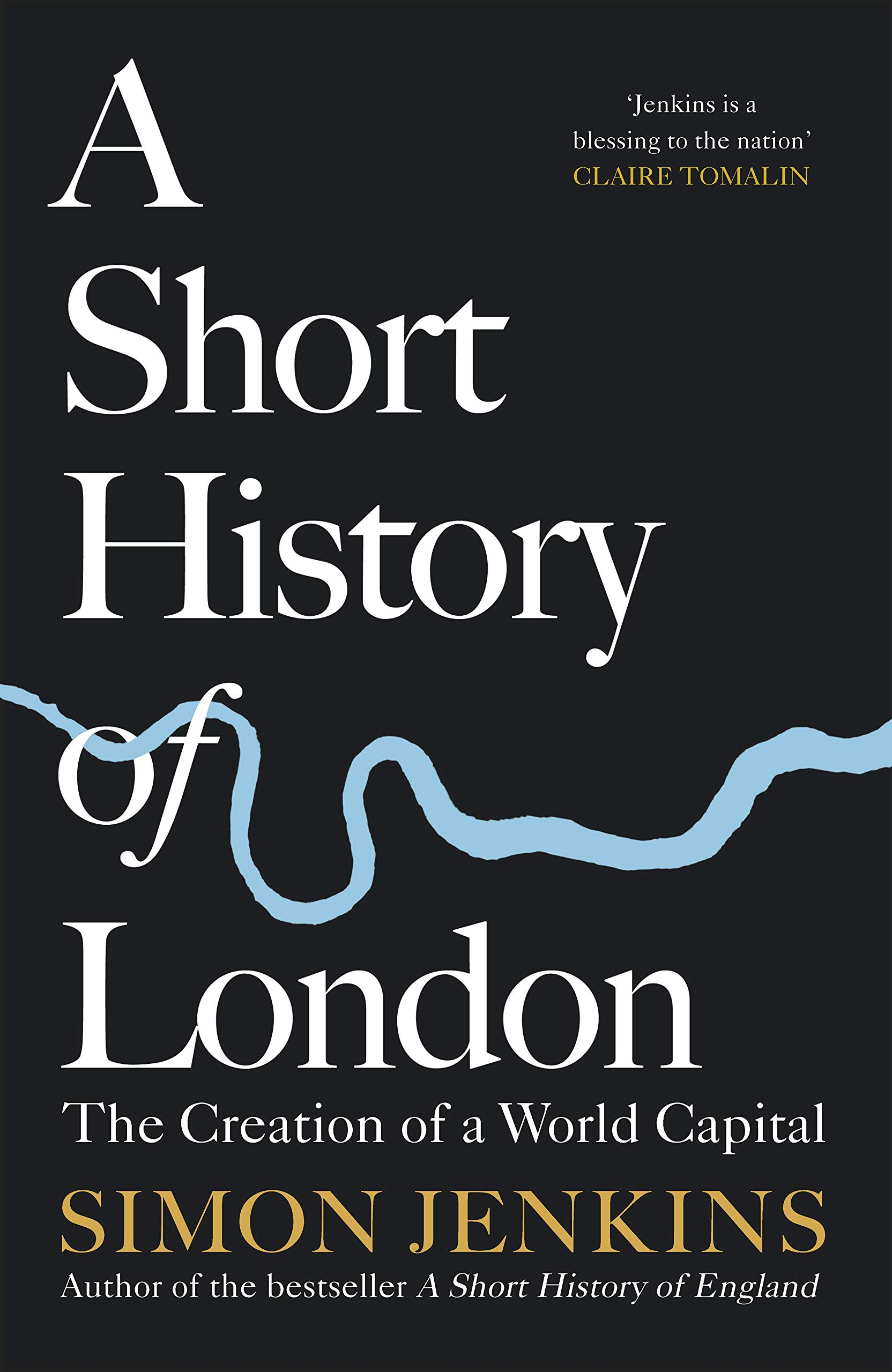
 The title of the book A Short History of London: The Creation of a World Capital by Simon Jenkins gives a fair warning to the reader that there is inevitably quite a lot left out of the city’s 2,000 year history in its 400 pages. The focus is very much on the architecture and planning of the city centre in the last century or so with a bit about its governance alongside this. As a lifelong Londoner, Jenkins is clearly passionate about his home city. He has witnessed a remarkable amount of change in his lifetime and doesn’t hold back on his forthright views about recent developments. Having already produced short histories of Europe and England, Jenkins is well-practised at the most important aspect of writing a deliberately short book which is that he writes with pace and is very good at conveying the general sweep of events succinctly in easily digestible chapters. Continue reading
Tag Archives: Novels
Three Books About London
Filed under Books
The Women’s Prize for Fiction Longlist 2021
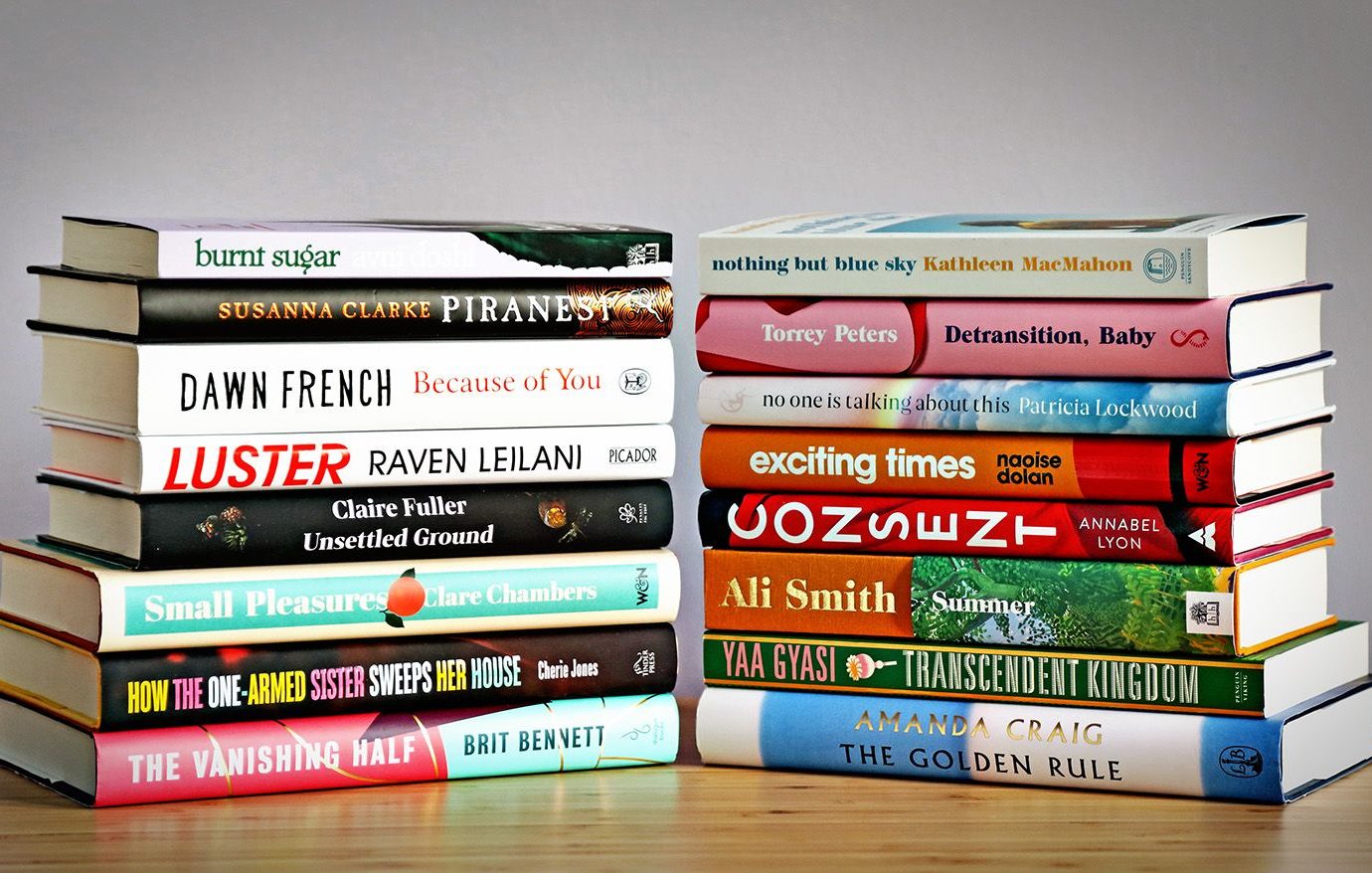
The Women’s Prize for Fiction longlist for 2021 was announced last Wednesday. The 16 titles are:
The Vanishing Half by Brit Bennett
Small Pleasures by Clare Chambers
Piranesi by Susanna Clarke
The Golden Rule by Amanda Craig
Exciting Times by Naoise Dolan
Burnt Sugar by Avni Doshi
Because of You by Dawn French
Unsettled Ground by Claire Fuller
Transcendent Kingdom by Yaa Gyasi
How the One-Armed Sister Sweeps Her House by Cherie Jones
Luster by Raven Leilani
No One Is Talking About This by Patricia Lockwood
Consent by Annabel Lyon
Nothing But Blue Sky by Kathleen MacMahon
Detransition, Baby by Torrey Peters
Summer by Ali Smith Continue reading
Filed under Books
More Books I Read In February
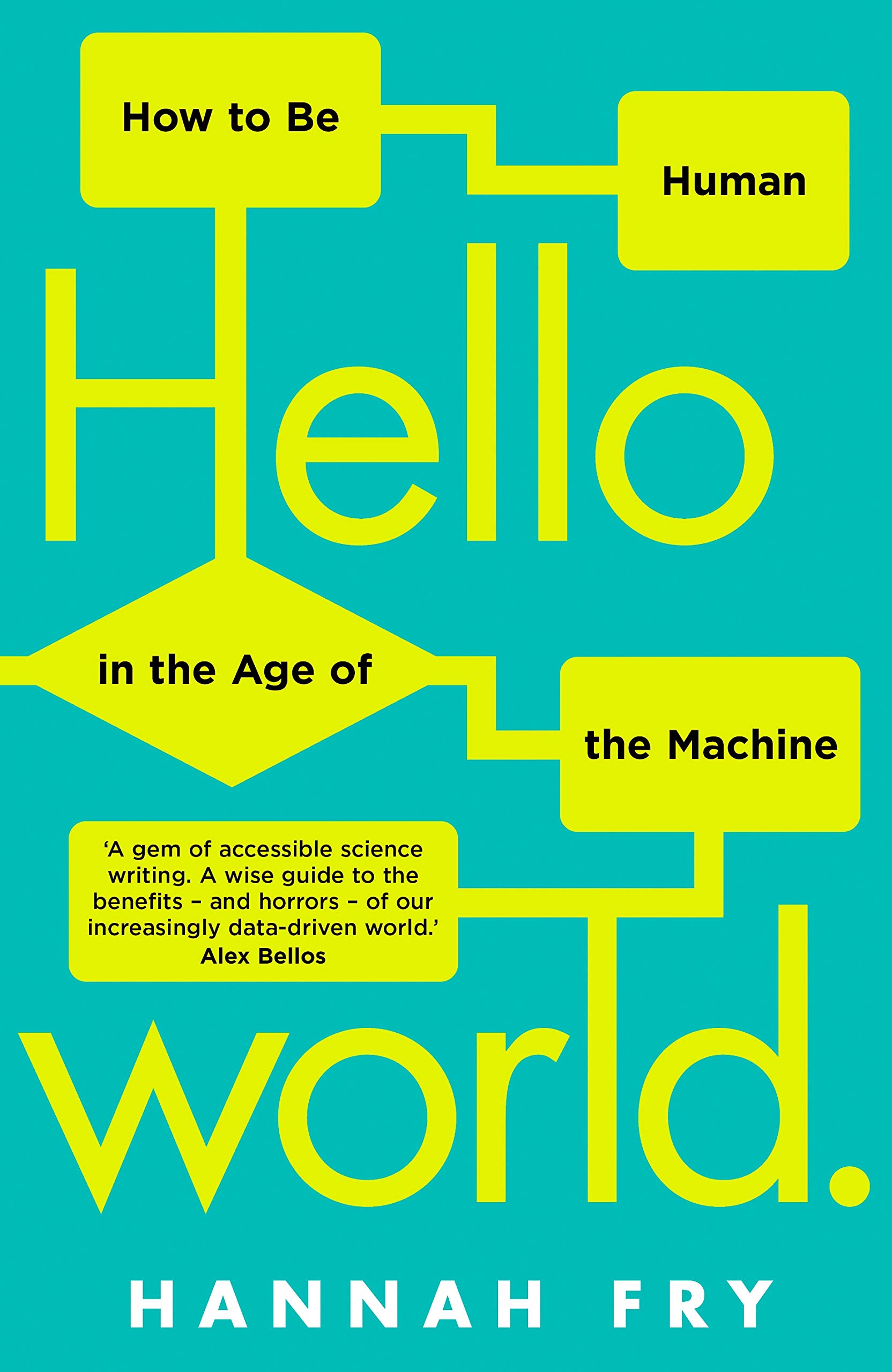 Hello World by Hannah Fry, subtitled ‘How to Be Human in the Age of the Machine’ looks at the role of algorithms in modern life, from our everyday internet use to the justice system to creating works of art. Most of the discussion around algorithms tends to focus on the negative impact they can have with sat navs sending drivers off the edge of a cliff and data privacy concerns being two of the most well-known examples. Fry also looks at the positive benefits of algorithms as they are undoubtedly useful in research contexts such as monitoring cell patterns in order to diagnose cancer earlier. The real-world examples of how humans interact with algorithms are concisely written and this is an engaging popular science book which is straightforward enough for a layperson to grasp as an introduction to a complex topic. Continue reading
Filed under Books
Three Books By Indie Publishers
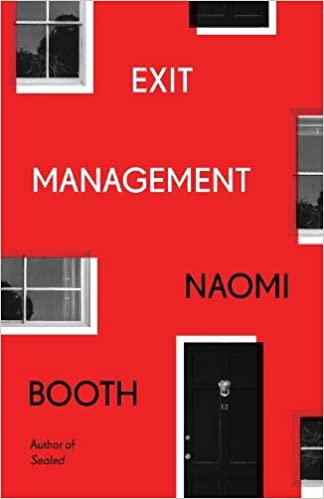 The last ten months or so have been very tough for the publishing industry in general, and particularly challenging for small indie presses who have still succeeded in bringing brilliant new books in to the world during a pandemic no less. One of those is Exit Management by Naomi Booth which was published by Dead Ink Books last summer. Originally from the north of England, Lauren works at a City firm as a graduate HR executive and specialises in “exit management”, otherwise known as firing people in less corporate terms. She is very ambitious about climbing the property ladder, even in a city where she discovers early on that a bedsit in Deptford will always be advertised as a “luxury studio in outer Greenwich”. Callum is a young man in his twenties who lives with his parents in Croydon and lands a job at GuestHouse, a company which finds elite temporary residences in London for the super-rich. Callum forms a close bond with one of his clients, József, a terminally ill elderly man who came to live in England from Hungary as a refugee in 1956. When Callum and Lauren meet by chance outside József‘s home in Elgin Mews, Lauren assumes that Callum owns the property, and the lives of the three characters become drawn together in unexpected ways. I think the characterisation is particularly strong in this novel, as it explores Lauren and Callum’s relationship in more interesting ways than just depicting their status as millennials inevitably struggling to get by in London. I look forward to reading Booth’s eco-horror debut novel ‘Sealed’. Continue reading
Filed under Books
My Most Anticipated Books of 2021
There are a lot of new books coming in 2021. Here are the titles I am looking forward to reading the most, although I probably won’t get round to all of them this year. All publication dates where known apply to the United Kingdom only.
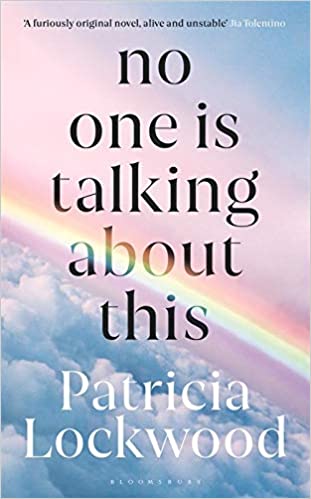
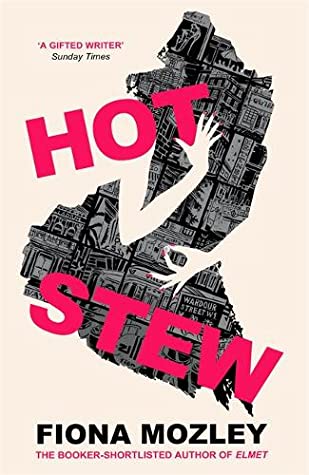
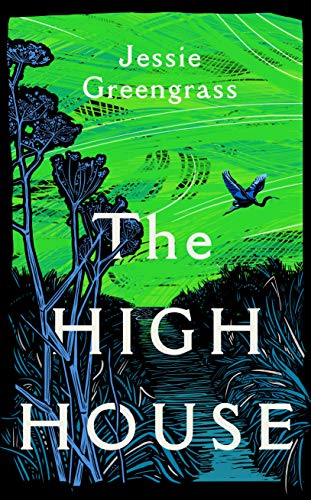
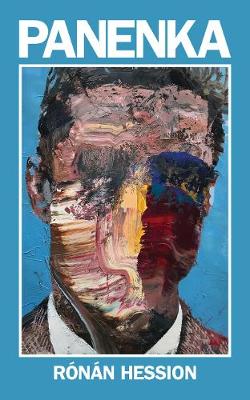
High-profile debut novels out in early 2021 include Luster by Raven Leilani and No One Is Talking About This by Patricia Lockwood whose memoir Priestdaddy I reviewed last month. Several of the books I will be looking out for are second novels by authors who have written impressive debuts. Hot Stew by Fiona Mozley is set in modern-day Soho in London and sounds like a real departure from the Booker Prize-shortlisted Elmet. The High House by Jessie Greengrass is the second novel by the author of Sight. It addresses climate change and is out in April. Panenka by Ronan Hessian sees the author of the word-of-mouth success Leonard and Hungry Paul return with his new novel in May about a man who is living with mistakes he made in the past. Out in February, Light Perpetual by Francis Spufford tells the possible stories of five children if they hadn’t been killed by a V2 bomb in London in 1944 – a very different concept and setting from the 18th century New York depicted in his debut Golden Hill.
Filed under Books
My Books of the Year 2020
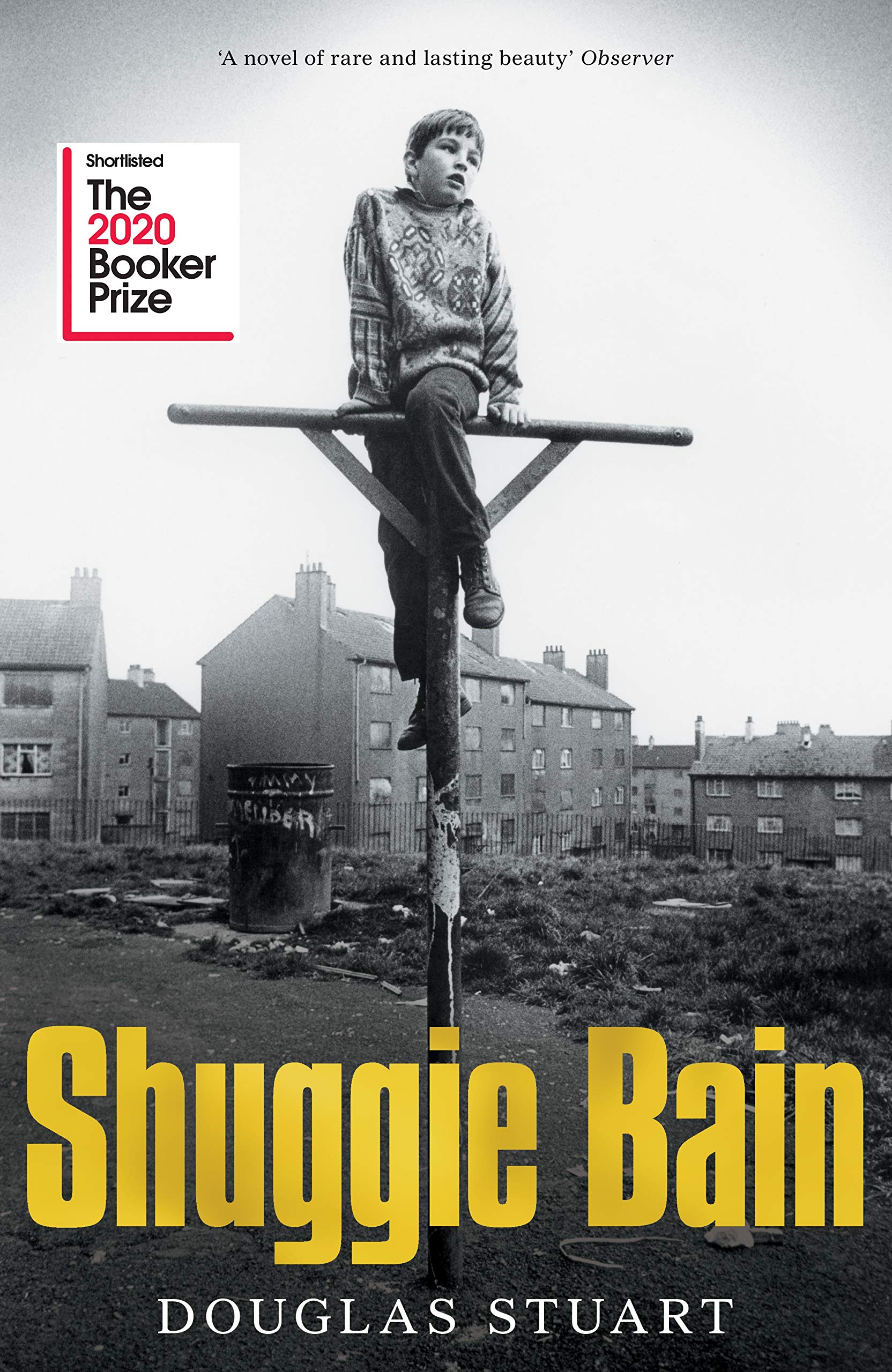
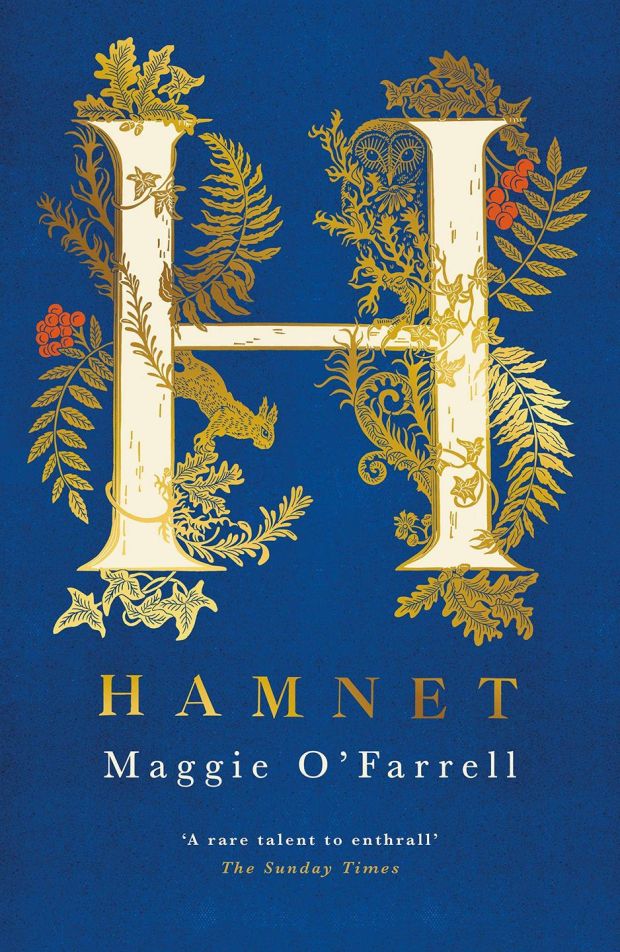
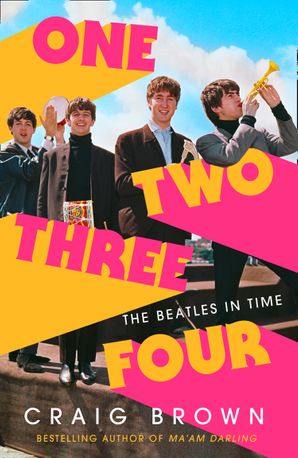
There are lots of reasons why 2020 has been an unusual year. One of them is that several books I have both read and enjoyed have won major literary prizes this year – more often than not, my longlist or shortlist preferences don’t get as far as taking the big cheques home with them. However, Shuggie Bain by Douglas Stuart won the Booker Prize this year – a debut novel about a young boy growing up in 1980s Glasgow (and I’m still feeling smug about including it in my predictions post back in July before it was even longlisted). Hamnet by Maggie O’Farrell won the Women’s Prize for Fiction for its moving portrayal of the death of William Shakespeare’s young son. And One Two Three Four by Craig Brown was awarded the Baillie Gifford Prize for Non-Fiction – a brilliantly original and comic biography of the Beatles told in 99 short chapters. Continue reading
Filed under Books
Books I Read In October
 I borrowed Rush Oh! by Shirley Barrett from the library because I really enjoyed reading The Bus on Thursday last year. Barrett’s debut novel was longlisted for the Baileys Women’s Prize for Fiction in 2016. Set in the early 20th century in the port town of Eden in New South Wales, ‘Rush Oh!’ is loosely based on the life of George Davidson, one of Australia’s most prominent master whalers at the time. During the 1908 season, his fictional teenage daughter, Mary, is tasked with supporting her father’s whaling crew and caring for her five siblings after their mother’s death, and the arrival of the mysterious former Methodist preacher, John Beck, proves to be a welcome distraction for her.
In ‘Rush Oh!’, Barrett strikes a good balance between the well-researched and brutal descriptions of whale hunting and the more gentle strands of Davidson family drama. Mary is a brilliantly imagined narrator, looking back on the events of her youth with amusingly chatty asides to the reader. In terms of genre, Barrett’s two novels to date couldn’t be more different, but they share a brilliant sense of humour and I look forward to reading more by Barrett in the future. Continue reading
Filed under Books
Four Books From The Booker Prize 2020 Longlist
I have read four books on this year’s Booker Prize longlist so far. All four are debut novels – there are eight in total on the 13-strong longlist – and two of them have made the shortlist.
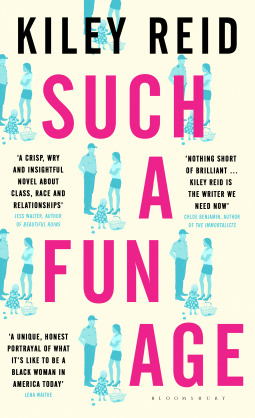 Such A Fun Age by Kiley Reid is about a young African-American woman, Emira, who is accused of abducting the white toddler she is looking after in an upmarket grocery store in Philadelphia. The toddler’s mother, Alix Chamberlain, is a wealthy white social media influencer who is at pains to show Emira how “woke” she is, lacking the self-awareness to realise that her attempts to be more progressive end up becoming the total opposite, and often result in her becoming more controlling and insecure. After the incident in the grocery store, Emira starts a relationship with Kelley Copeland, a white man who has a connection with Alix’s past. The novel is a slow-burn after the initial confrontation scene and the structure is a bit all over the place, but overall, ‘Such A Fun Age’ is subtly written with a great sense of irony and skewers “white saviour” hypocrisy very effectively. Continue reading
Filed under Books
Hamnet by Maggie O’Farrell and Summerwater by Sarah Moss
 I have read two books recently which were top of my wish list for this year’s Booker Prize longlist but sadly didn’t make the cut. The omission of Hamnet by Maggie O’Farrell has surprised a lot of people although it has been shortlisted for the Women’s Prize for Fiction this year. O’Farrell’s eighth novel and her first foray into historical fiction is a reimagining of the short life of William Shakespeare’s son Hamnet in Warwickshire in the late sixteenth century. The playwright himself only has a background part in this story which is told from the point of view of his wife Agnes (more commonly known as Anne Hathaway, O’Farrell uses the name given in her father’s will) who is the mother of their daughter Susanna followed by twins Hamnet and Judith. The novel focuses on events before and after Hamnet’s early death at the age of 11 in 1596, the true cause of which is unknown but is presented as bubonic plague here. Continue reading
Filed under Books
Rodham by Curtis Sittenfeld
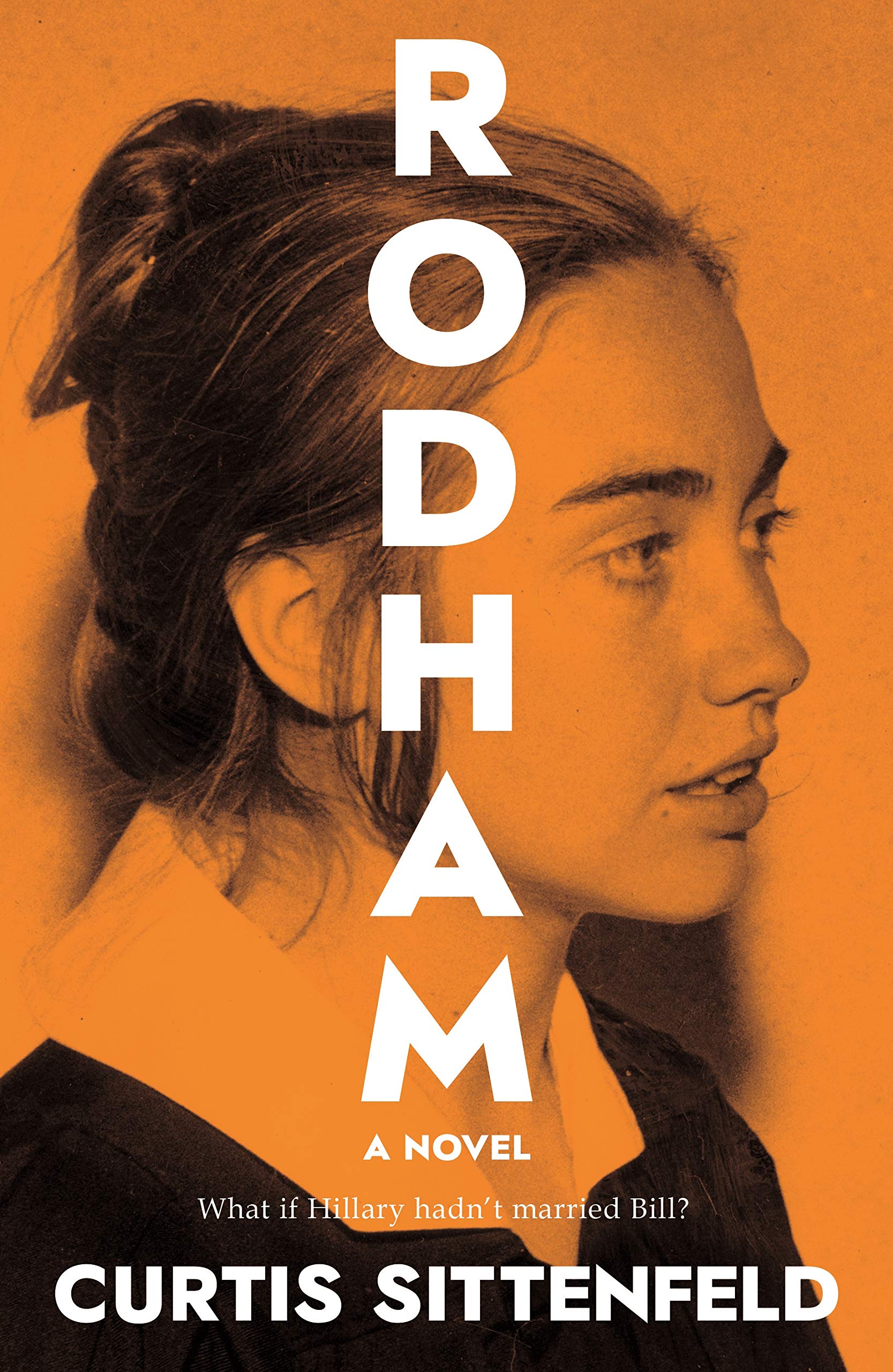 I really enjoyed American Wife by Curtis Sittenfeld which is a thinly disguised account of the life of Laura Bush, wife of George W. Bush and former First Lady of the United States. I also enjoyed Sittenfeld’s short story ‘The Nominee’ which is included in the UK edition of You Think It, I’ll Say It and is told from the perspective of Hillary Rodham Clinton a few months before the 2016 US presidential election. The premise of her sixth novel ‘Rodham’ – “What if Hillary hadn’t married Bill?” – is one of the most intriguing alternative history scenarios I can think of, so it was the first book I picked up at a physical bookshop after they reopened following lockdown. Continue reading
Filed under Books
The Booker Prize 2020 Longlist
 The Booker Prize 2020 longlist was announced on Tuesday. The 13 titles are:
The New Wilderness by Diane Cook
This Mournable Body by Tsitsi Dangarembga
Burnt Sugar by Avni Doshi
Who They Was by Gabriel Krauze
The Mirror & The Light by Hilary Mantel
Apeirogon by Colum McCann
The Shadow King by Maaza Mengiste
Such a Fun Age Kiley Reid
Shuggie Bain by Douglas Stuart
Real Life by Brandon Taylor
Redhead by The Side of The Road by Anne Tyler
Love and Other Thought Experiments by Sophie Ward
How Much of These Hills is Gold by C Pam Zhang Continue reading
Filed under Books
The Booker Prize 2020: Predictions, Possibilities and Preferences
Booker Prize longlist predictions are rarely dominated by one book, but the question of whether or not The Mirror and the Light by Hilary Mantel will make the cut will shape a lot of the debate this year. It would open up the potential for Mantel to be the first author to win the Booker Prize three times following the first two books in the trilogy about the life of Thomas Cromwell, Wolf Hall in 2009 and Bring Up the Bodies in 2013.


If the judges do select ‘The Mirror and the Light’, they will still need to nominate another 12 books to sit alongside it on the “Booker dozen” longlist. I haven’t read many eligible books this year due to library closures during lockdown which is my main source of new books. However, I was lucky enough read a review copy of Summerwater by Sarah Moss which is due to be published next month and I would very much like to see Moss receive a long overdue nomination for this brilliantly unnerving novel set in a Scottish holiday park. I also enjoyed Scabby Queen by Kirstin Innes which is about the life of a Scottish pop star and political activist who takes her own life. Continue reading
Filed under Books
Scabby Queen by Kirstin Innes
I read a proof copy of Scabby Queen by Kirstin Innes back in April, when it was originally due to be published, but its release date in the UK was pushed back to July due to the pandemic. It tells the story of Clio Campbell, a one-hit-wonder Scottish pop star and political activist who takes her own life just before she turns 51, some three decades after a brief period of fame as the singer of the anti-poll tax anthem ‘Rise Up’.
Clio’s suicide isn’t a spoiler as it is revealed right at the beginning of the book when her body is discovered by her friend Ruth. The story then jumps back and forth in time looking back at Clio’s life with each part retold by a selection of people who knew Clio from very different perspectives. The non-linear story is slightly confusing initially, but I really got into it by the second half as the glimpses of Clio’s life through the eyes of others gradually come together to reveal an affecting character portrait of someone who is very vulnerable in lots of ways behind the outspoken public facade. Continue reading
Lockdown Reading: Part Two
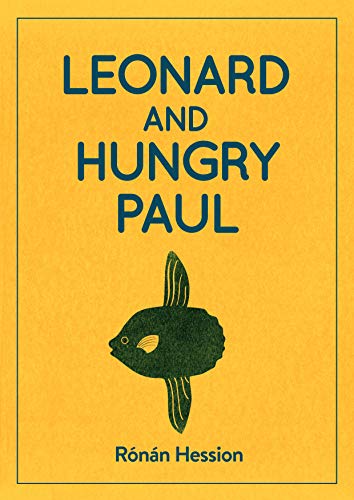 There wasn’t much in the way of comfort reading in my previous blog post, but there is in this one in the form of Leonard and Hungry Paul by Ronan Hession which has become a word-of-mouth success since it was published by the small independent press Bluemoose Books last year. It is a novel which defies straightforward genre categorisation and tells the story of two quiet friends in their thirties who live seemingly unremarkable lives driven by familiar routine. Leonard is a ghostwriter who has a growing bond with his colleague Shelley while Hungry Paul (his nickname is never explained) lives with his retired parents who are busy with preparations for the wedding of his sister Grace who is frustrated by Hungry Paul’s lack of ambition in life. Hession is particularly skilful at showing how introverts deal with both small-scale events such as the awkwardness of small talk on a first date as well as the bigger picture questions of what they really want from life. Other than the rhythms of everyday scenes, there is little in the way of plot which happily means there is no attempt to improve their characters via a saccharine journey towards them becoming more extroverted. ‘Leonard and Hungry Paul’ is an understated gem of a book. Continue reading
Filed under Books
Books I Read in February
 I have reduced my blog post frequency to monthly round-ups of what I have been reading instead of the weekly posts I was writing before. A consequence of taking a bit of a step back meant that February was a slightly slower month for me in terms of how much I read, but I recommend all of the books below:
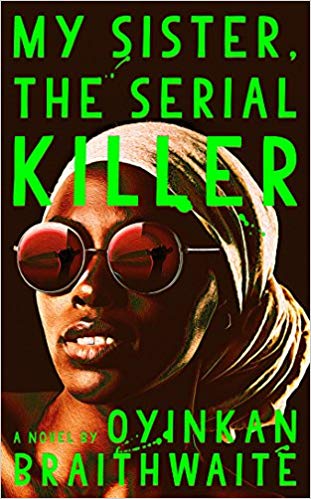
My Sister, the Serial Killer by Oyinkan Braithwaite was shortlisted for the Women’s Prize for Fiction and longlisted for the Man Booker Prize last year. Set in Nigeria, it tells the story of Korede who keeps coming to the aid of her sister, Ayoola, whenever she bumps off one of her boyfriends, always claiming self-defence each time. Grimly deadpan and satirical, it’s easy to see why the setting, tone and plot of this provocative debut all stand out for their originality. However, the paciness means it lacks a bit of depth, so I’m not too surprised it didn’t progress further in the literary prizes it was nominated for. Continue reading
Filed under Books
More Books I Read in January
 I am planning to reduce my blog post frequency to fortnightly or monthly posts, so I can use my time to write shorter reviews of more books, rather than focusing on the ones I can write longer reviews for each week which has been my main pattern for nearly 8 years (!) of blogging.
I am also planning to reread a few books this year, mostly ones I first read when I was a teenager. ‘Nineteen Eighty-Four’ by George Orwell is not quite the blueprint of the modern dystopian novel, but it is probably the one which has had the most cultural significance since it was first published in 1949 and the concepts of Big Brother, Room 101 and the Thought Police remain commonly used terms. Even if you haven’t read ‘Nineteen Eighty-Four’, you may well be aware of the basic plot in which low-ranking member of The Party, Winston Smith, secretly denounces the government and begins a forbidden relationship with Julia. Needless to say their rebellion is risky and complicated and it is remarkable just how prescient and perceptive Orwell was about the sinister consequences of certain technological developments in the 20th century and the ways in which totalitarian states seek to gain control through surveillance. As a reread, the thing that struck me most was how powerful and fitting the ending is and it’s easy to see why ‘Nineteen Eighty-Four’ has become such an enduring classic. Continue reading
Filed under Books
The Secret Commonwealth by Philip Pullman
 My main read over Christmas was ‘The Secret Commonwealth’ by Philip Pullman, the second volume in the Book of Dust trilogy following La Belle Sauvage two years ago. ‘La Belle Sauvage’ was essentially a prequel to the His Dark Materials trilogy in which we saw Lyra as a baby. The events in ‘The Secret Commonwealth’ take place about seven years after the end of that trilogy with Lyra now a 20-year-old undergraduate in Oxford. It opens with the murder of a botanist who had recently returned from a research trip to central Asia studying the effects of rose oil. The web of intrigue which follows this murder has implications for the authoritarian rule of the Magisterium and leads to Lyra and Malcolm undertaking separate journeys across Europe through to Turkey and Syria. Continue reading
Filed under Books
My Most Anticipated Books of 2020
 I have an ever-growing list of anticipated books due to be published in 2020. Here are the titles I am looking forward to reading the most. All publication dates where known are for the United Kingdom only.
In non-fiction, Notes from an Apocalypse by Mark O’Connell is the Wellcome Book Prize-winning author’s second book after To Be a Machine. Due in April, it will explore how we get to grips with the future and the possible end of the world in an age of anxiety.
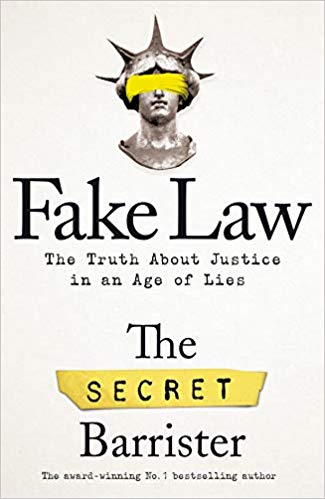
Also due in April, Fake Law: The Truth About Justice in an Age of Lies by The Secret Barrister promises to be an equally eye-opening account as his/her bestselling debut book of how the legal system really works, this time focusing on themes of ignorance, corruption and fake news. Continue reading
Filed under Books
My Books of the Year 2019
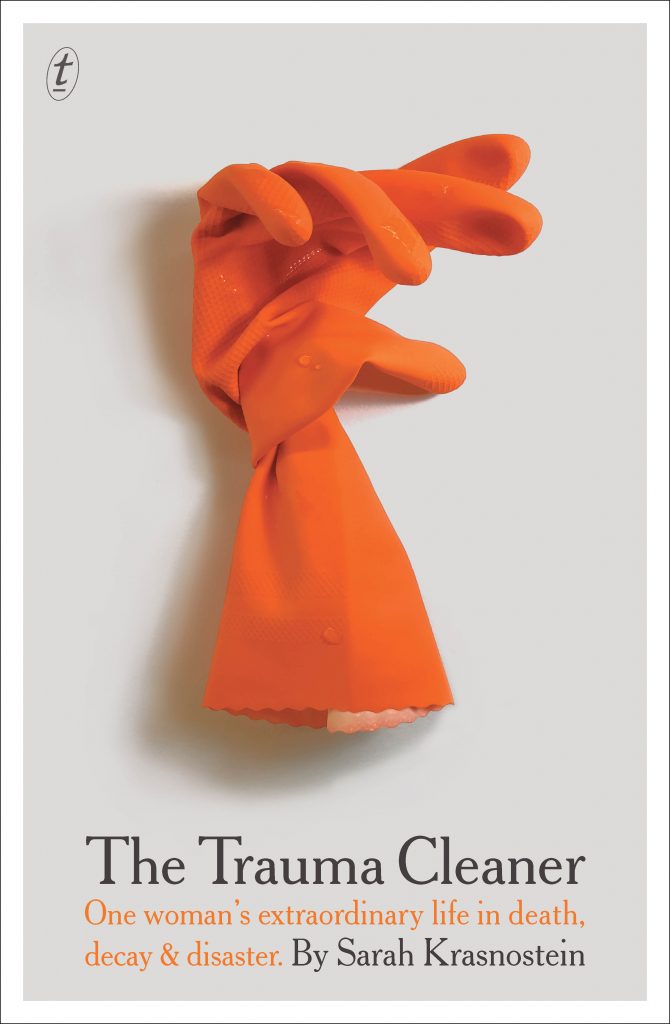
2019 is the first year non-fiction has more or less overtaken fiction in my reading. This is partly due to shadowing the Wellcome Book Prize at the beginning of the year. My favourite titles from this year’s longlist include the excellent This Really Isn’t About You by Jean Hannah Edelstein and The Trauma Cleaner by Sarah Krasnostein – the latter was our shadow panel winner.



Unfortunately, the Wellcome Book Prize has been paused for 2020. Mother Ship by Francesca Segal and The World I Fell Out Of by Melanie Reid would definitely have been on my longlist wishlist – two outstanding memoirs about the premature birth of twins and spinal injury respectively. This year’s Baillie Gifford Prize winner The Five by Hallie Rubenhold about the lives of Jack the Ripper’s victims is another stand-out title as is last year’s winner Chernobyl by Serhii Plokhy. Continue reading
Filed under Books
The Warlow Experiment by Alix Nathan
 I mentioned ‘The Warlow Experiment’ by Alix Nathan in my Booker Prize longlist predictions post in July as a possible contender for the 2019 prize. Even though my prediction about the dominance of historical fiction on this year’s longlist ended up being way off the mark, I was intrigued by the premise of this particular novel which is based on a real experiment proposed in the late 18th century. Nathan came across a brief article in the 1797 edition of the Annual Register which suggests that someone had taken up the offer posted by a Mr Herbert Powyss a few years earlier to spend seven years living in total isolation in the cellar of his manor house in the Welsh Marches. Only one person applied: a labourer who was apparently attracted by the reward offered by Powyss of 50 pounds per year for life in order to provide for his large family. However, further information about the outcome of the experiment is unknown and Nathan’s imagining of the scenario is therefore entirely fictionalised. Continue reading
Filed under Books




You must be logged in to post a comment.