This week, I was lucky enough to get a place at a special launch event for ‘Career of Evil’, the third book in the crime fiction series by J. K. Rowling written under the pseudonym Robert Galbraith. I really enjoyed The Cuckoo’s Calling and The Silkworm and was very keen to read the latest instalment of Cormoran Strike’s adventures.
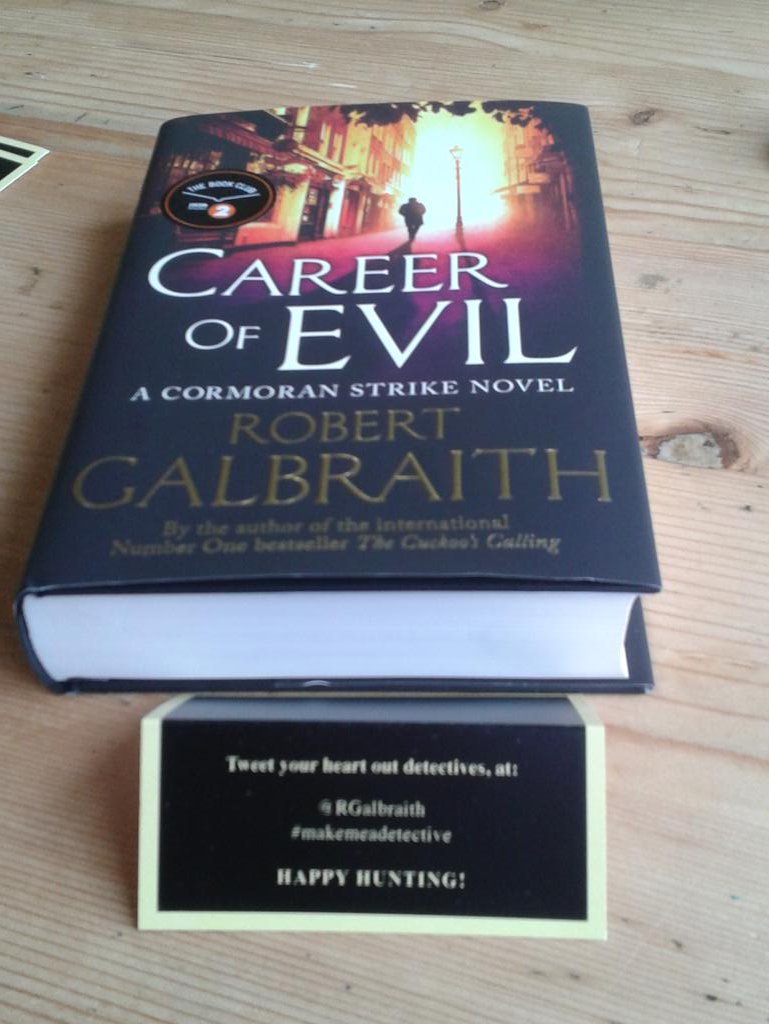
To celebrate the launch, the publishers of ‘Career of Evil’ teamed up with Time Run to organise a special crime thriller version of a live gaming experience where teams need to solve clues and puzzles to “escape” the room as quickly as possible. Based in Hackney, it’s been described by the Metro as “immersive theatre meets Crystal Maze but better”. This definitely wasn’t going to be a typical book launch… Continue reading
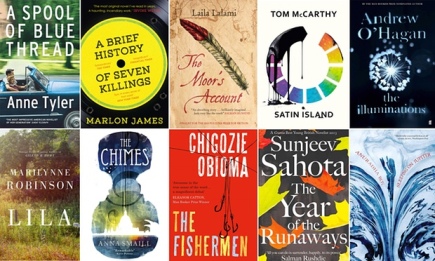
 While the Man Booker Prize is one of the most high-profile literary awards in the world (and congratulations to Marlon James for last night’s win by the way), the alternative Not the Booker prize run by the Guardian’s books website has also been growing in popularity over the past few years. ‘Things We Have in Common’ by Tasha Kavanagh was featured on this year’s Not the Booker shortlist and was narrowly pipped to the post by Kirstin Innes’ novel ‘Fishnet’ which won the overall prize on Monday. ‘Things We Have in Common’ is narrated by Yasmin Laksaris, an overweight half-Turkish teenager who becomes obsessed with Alice Taylor, one of the most popular girls at school. Yasmin spots a man watching Alice outside school and when she goes missing, Yasmin is convinced she already knows who has taken her.
 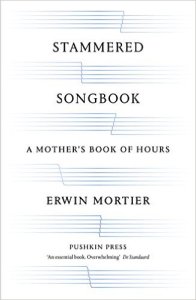 I’ve been reading more non-fiction and more translated fiction this year but not very much translated non-fiction. After reading Flemish author Erwin’ Mortier’s ‘
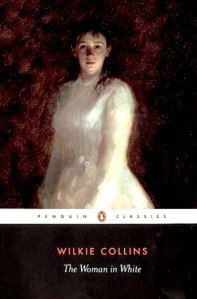 Having read some slightly silly thrillers recently in the form of
 ‘The Hare with Amber Eyes: A Hidden Inheritance’ is Edmund de Waal’s highly acclaimed memoir tracing his family history through a collection of objects. In the early 1990s, De Waal studied ceramics in Tokyo as part of a two-year scholarship where he met his great-uncle Ignace (Iggie). Following Iggie’s partner’s death, de Waal inherited 264 Japanese miniature wood and ivory carvings known as netsuke often representing animals, people or mythical creatures. Traditionally used as toggles to attach carrying pouches to Japanese robes, netsuke were originally designed to be useful everyday objects rather than purely decorative ones. De Waal became intrigued by the story behind the collection and how it came to be passed down through the generations of his family across the world.









 A Little Blog of Books
You must be logged in to post a comment.