 I didn’t read much in the way of medicine or health-related books during lockdown, but I have recently started thinking about books which will be eligible for the Wellcome Book Prize next year following its “pause” this year. The three books I have read so far are all powerful and memorable if far from cheerful in their chosen subject matter.
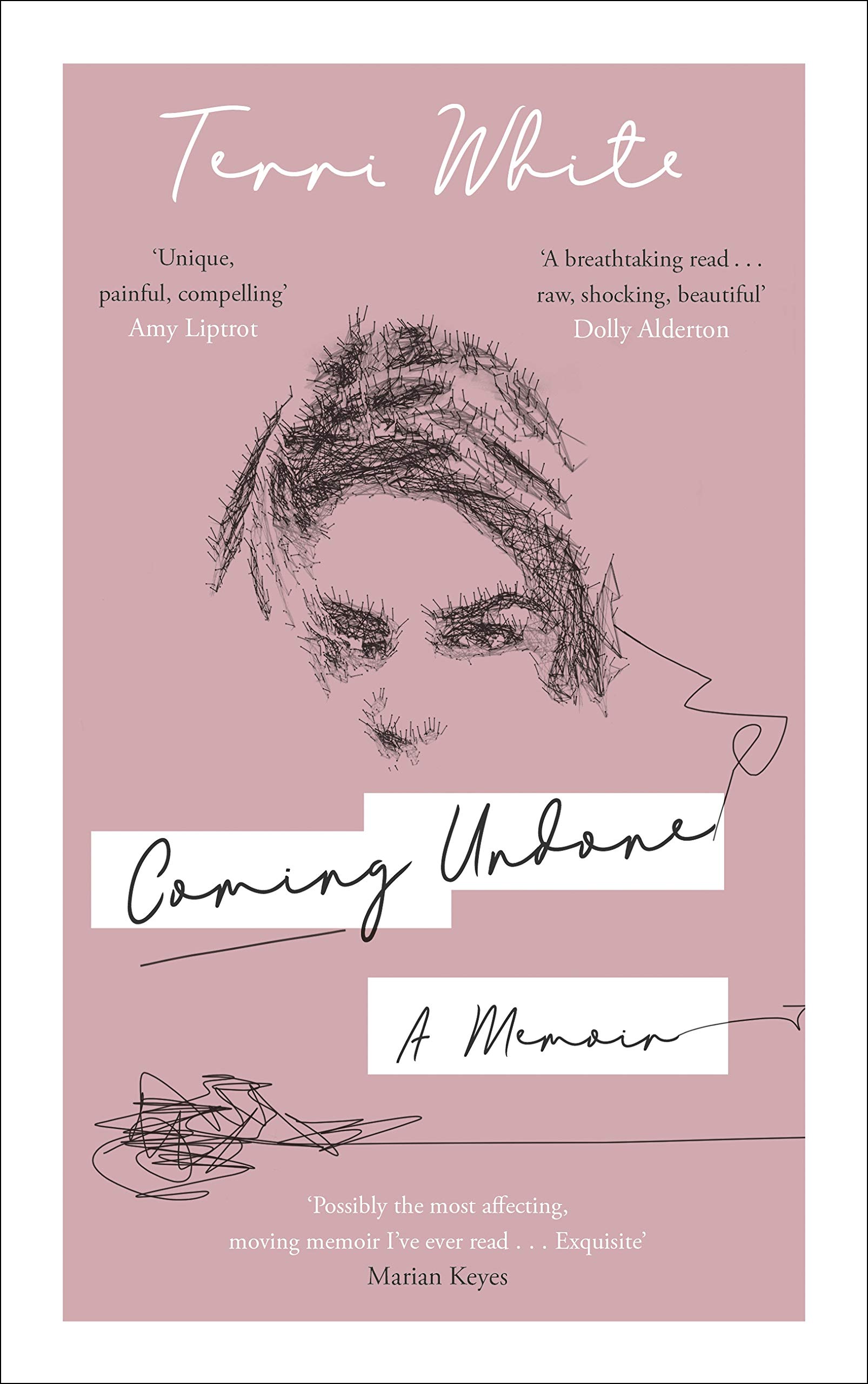
Coming Undone by Terri White is the author’s memoir of her addiction issues and subsequent mental breakdown. The book opens with an account of her admission to a psychiatric ward in a New York hospital. She then details the abuse she suffered during her childhood growing up in poverty in Derbyshire before embarking on a career as a magazine editor. She moved to New York in 2012 where her problems with substance abuse spiralled and her outwardly successful life eventually unravelled. It is difficult to review a book, particularly a memoir, on this subject without using the same old adjectives: raw, honest, brutal, painful. ‘Coming Undone’ is all of those things, but for all its rawness and honesty about White’s state of mind, there does seem to be a lot held back too, especially about her career and more recent relationships, although I expect that this is mostly due to the necessity of protecting those close to her as well as her own privacy and recovery. Continue reading


 I am taking part in the Wellcome Book Prize blog tour today with a review of ‘Heart: A History’ by Sandeep Jauhar which is the final book I will be shadowing from this year’s shortlist. Jauhar is a cardiologist and director of the Heart Failure Program at Long Island Jewish Medical Center and his third book combines memoir, case studies and the history of cardiology. In the opening pages, he recounts his family history (both of his grandfathers died as a result of sudden cardiac events) and how his own CT angiogram revealed signs of early coronary artery disease. Jauhar’s obsession with this vital and remarkable organ is therefore a very personal one.
  I am approaching the end of shadowing this year’s Wellcome Book Prize, and I have followed two books which explore gender as the central theme (
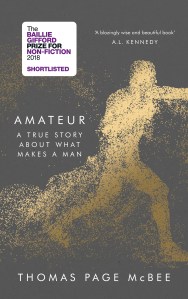 Gender is a notable theme on this year’s Wellcome Book Prize longlist and two of the books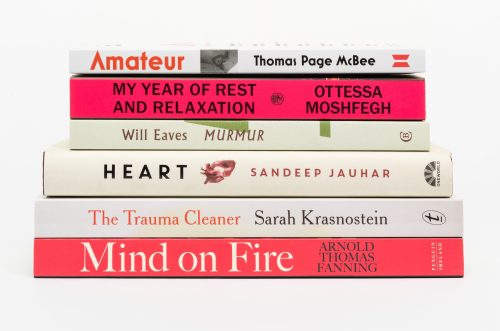
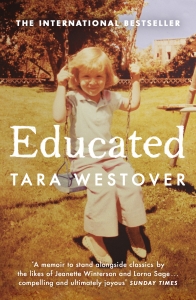 I had heard of ‘Educated’ before it was longlisted for the Wellcome Book Prize but hadn’t considered Tara Westover’s widely acclaimed memoir of her childhood growing up in a Mormon fundamentalist family in rural Idaho as a possible contender. Although not immediately obvious from the title or basic premise of the book, there are numerous connections to the main thematic criteria of the prize related to health. Isolated from mainstream society by radical survivalist parents, Westover and her six older siblings didn’t attend school and the family never saw doctors – even serious incidents like car accidents and third degree burns were treated at home with her mother’s herbal tinctures rather than at hospital. She didn’t receive a birth certificate until she was nine years old and spent most of her time working at her father’s junkyard, later studying independently at home.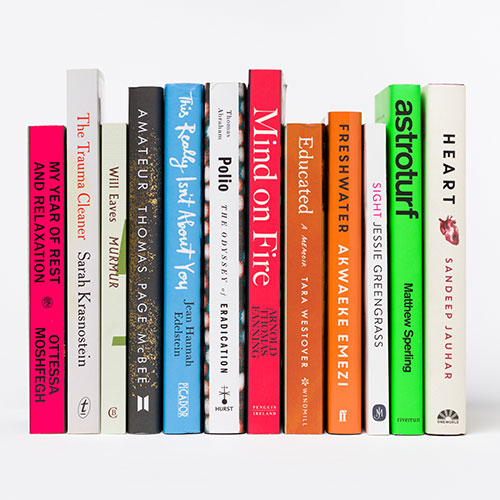
 I imagine that the majority of the books submitted for consideration are non-fiction titles (they usually dominate the shortlists at any rate) but there are a fair number of novels which could also be in the running, even though the thematic criteria is more subjective. An obvious contender among fiction titles is


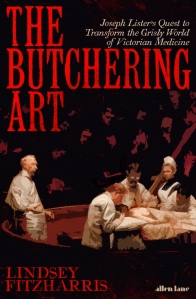 My final Wellcome Book Prize shortlist post is also part of the final day of the blog tour showcasing each book before the winner is announced tomorrow. ‘The Butchering Art: Joseph Lister’s Quest to Transform the Grisly World of Victorian Medicine’ by Lindsey Fitzharris is one of the titles I was particularly interested in reading when the longlist was announced in February. Although Lister is the main biographical subject of the book, ‘The Butchering Art’ also works as a more general narrative non-fiction account of the history of surgery in the mid 19th century.
 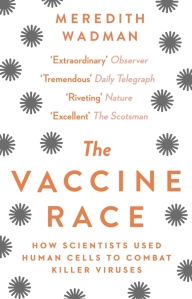 ‘The Vaccine Race: How Scientists Used Human Cells to Combat Killer Diseases’ by Meredith Wadman is an account of the history, science and ethics of vaccine development in the United States. It primarily concerns the career of American anatomy professor Leonard Hayflick and his quest to find and mass produce the safest human cells for use in vaccines at a time when viruses such as polio and rubella were far more prevalent than they are today.
 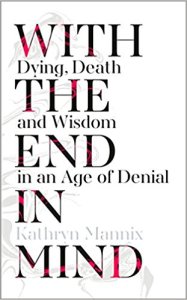 ‘With the End in Mind: Dying, Death and Wisdom in an Age of Denial’ by Dr Kathryn Mannix is a collection of anonymised patient case studies (or “stories” as Mannix calls them) drawn from her thirty years of experience as a palliative care clinician and consultant. It has been shortlisted for this year’s Wellcome Book Prize which I am shadowing with fellow book bloggers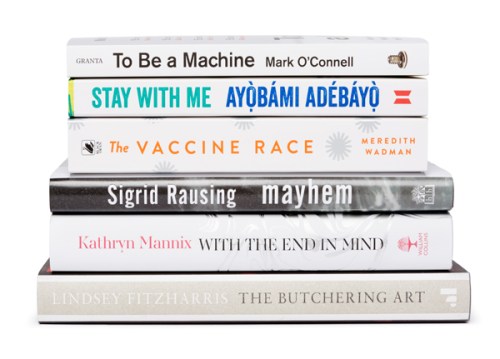
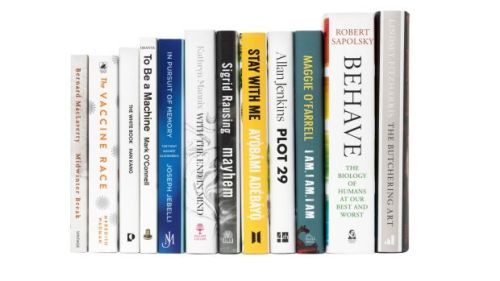 This year’s Wellcome Book Prize longlist has been announced today. The twelve books are:
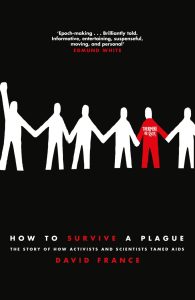 I am very pleased to be taking part in the official Wellcome Book Prize blog tour this week to champion ‘How to Survive a Plague’ by David France which is one of six titles shortlisted for this year’s prize awarded to a book on the subject of healthcare or medicine. It follows France’s 2012 Oscar-nominated documentary film of the same name and is a remarkable account of the activists and scientists who campaigned for awareness and funding towards fighting the AIDS epidemic in the United States.
 Winner of the
 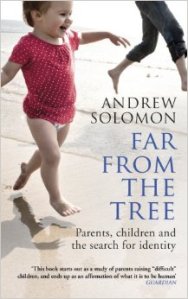 Winner of the Wellcome Book Prize in 2014, ‘Far From the Tree: Parents, children and the search for identity’ is Andrew Solomon’s account of “ordinary people making courageous choices”. It is a densely written and detailed study which examines the links between identity and disability and the challenges faced by those perceived to be “different”. Divided into ten main topics, the first six (deaf, dwarfs, Down’s Syndrome, autism, schizophrenia, disability) focus on “horizontal” categories typically classified as illnesses, while the other four (prodigies, rape, crime, transgender) are “vertical” identities which are assumed to be socially constructed.




 A Little Blog of Books
You must be logged in to post a comment.