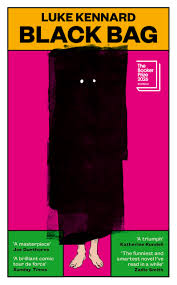
 Black Bag by Luke Kennard is a novel with an endearingly odd premise: an unnamed male actor signs up for a psychological experiment in which he wears a large leather black bag in public and must not speak or interact with anyone. It is based on a real study in 1967 at Oregon State University which recorded the students’ reactions, but nothing about the person inside the bag. The satire targets everything from academia to AI, and the humour is deployed well in the first half but somewhat runs out of steam in the second half. Black Bag is in contention for this year’s Booker Prize, although I think the surreal tone could make this one of the more divisive choices on the shortlist.
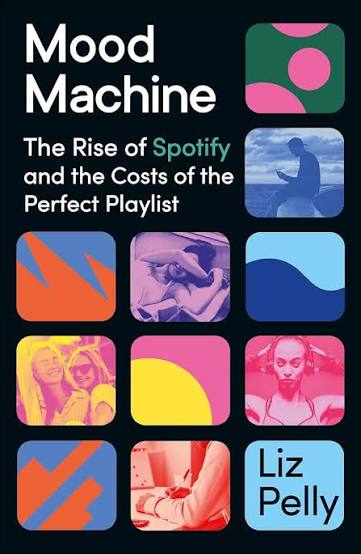 Mood Machine by Liz Pelly outlines “the rise of Spotify and the costs of the perfect playlist”. Spotify hasn’t been scrutinised as much as other social media companies. It was originally set up to sell advertising and the business model therefore views music purely as data, through the metric of time spent listening rather than as a form of art. Pelly outlines how Spotify has moved towards a personalised user experience and pushes playlists with “perfect fit content” for passive listeners who only want background music to wash over them. Mood Machine is an interesting book, although the focus on Spotify alone is very narrow, whereas some of the issues raised about “ghost musicians” and royalty payments could have been more insightful if the bigger picture of the music industry and streaming services more generally had also been taken into account.
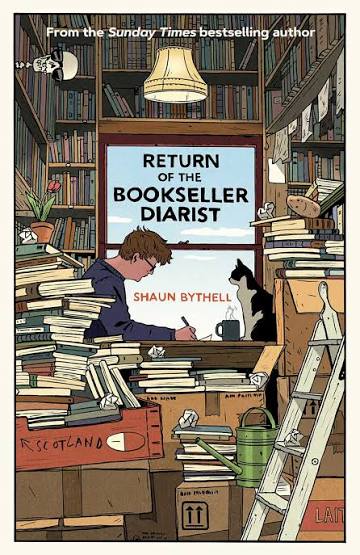 At the end of September, I visited Wigtown, the book town of Scotland, during the week of the Book Festival. I enjoyed reading Shaun Bythell’s diaries in recent years about running Scotland’s largest second-hand bookshop in the town. He has recently published a fourth instalment Return of the Bookseller Diarist which covers three more years of weird requests made by customers from 2017 up until March 2020 when he was forced to close the shop due to the Covid-19 lockdown. I thought Remainders of the Day had seemed like a neat conclusion, ending not long before the publication of The Diary of a Bookseller. However, during his talk at the Festival, Bythell revealed he is still keeping a diary, so “come to the shop, say something weird, and who knows…”. I’m sure the popularity of Bythell’s books hasn’t harmed business, although I wonder if it encourages certain people to deliberately say odd things within earshot of the front counter in order to be featured in his books.
It was great to finally visit The Bookshop itself, make a few purchases and view the infamous shot Kindle mounted on the wall. The Book Festival meant it was incredibly busy on Saturday, but calmer when I returned on Monday for easier browsing. The original bookshop cat, Captain, passed away in 2023 and has been honoured with a blue plaque by the front entrance. I caught a glimpse of the new bookshop cat who looked a bit stunned by the number of visitors during the busiest week of the year and quickly escaped to the back garden.
I attended three other talks at the Festival: the astrophysics in How to Design a Universe by Professor Catherine Heymans went ever so slightly over my head, but the Astronomer Royal for Scotland is an engaging and funny speaker. I am looking forward to reading An Inconvenience of Penguins by Jamie Lafferty about the travel writer’s quest to study all 18 penguin species, and his talk about his travels during lockdown was also very amusing. The Blood Between Us by Robin Yassin-Kassab is about Syria after the fall of Assad and his reporting and analysis of the collapse of the regime is erudite and nuanced.
I really enjoyed visiting Wigtown and hope to return for another visit.





That’s a nice variety of book selections. I didn’t know that about Spotify. I’m a very casual user of the app, mostly because I already have a large music library from the iTunes era! Your Wigtown picture looks very nice 🙂
LikeLiked by 1 person