I have been reading more non-fiction than ever recently, moving away from the science and medical themed books I covered for the Wellcome Book Prize shortlist to memoirs about all things literary, specifically writing, libraries and children’s literature. Here are three titles I recommend to bookworms everywhere:
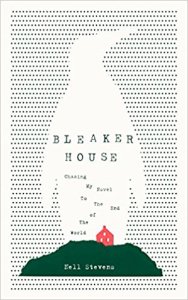 Bleaker House: Chasing My Novel to the End of the World by Nell Stevens is an account of her attempt to write a novel by living in the Falkland Islands for three months using funding from her Global Fellowship at the end of her creative writing course at Boston University. After arriving in Stanley where many of the 2,500 residents are based, she lived in self-imposed isolation on the uninhabited Bleaker Island for several weeks, believing that a total lack of distraction would be beneficial for her levels of creativity and productivity. For her stint on Bleaker Island, she had to pack all of her food supplies, restricting herself to just over 1,000 calories a day living mostly on instant porridge and Ferrero Rocher with just a copy of the film ‘Eat Pray Love’ on her laptop for company. Despite the unusual setting, Stevens’ experience of writing procrastination will resonate with anyone who has ever had an essay deadline to meet, even if her expectations and lack of preparation for some aspects of her trip are a tad infuriating in places. Extracts of her fiction are interspersed throughout and while these chapters are variable in quality and pad out what would otherwise be a very slim book, I think they are worth reading to get a sense of her creative output at the time. Overall, this is an interesting and often very funny account of a unique travel experience which proved to be inspiring for Stevens in the end, even if it wasn’t quite in the way she had initially bargained for. Continue reading →
Filed under Books
Tagged as Book, Book Review, Book Reviews, Children's Books, Chris Paling, Creative Writing, Francis Spufford, Libraries, Literature, Nell Stevens, Non fiction, Reading, Reviews, Writing
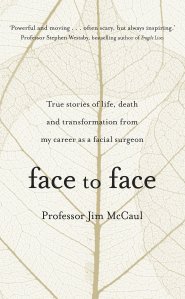 Since starting this blog, I have read various memoirs by medical professionals – a genre which provides thought-provoking insight into the practical and emotional side of modern medicine. From Atul Gawande to Suzanne O’Sullivan to Kathryn Mannix, each has offered new insight into their work and area of expertise, often through the stories of individual patients. I have recently read two more books which broaden the scope of the genre beyond case studies and explore other aspects of the author’s personal lives, careers and their specialties.


 Kings of the Yukon: An Alaskan River Journey by Adam Weymouth won this year’s
 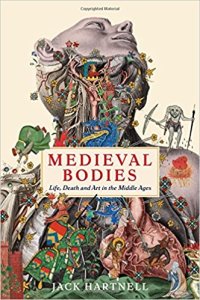 Medieval Bodies: Life, Death and Art in the Middle Ages by Jack Hartnell makes a convincing case against the widely held perception of the Middle Ages as a bloodthirsty and violent period of history where beliefs about medicine were guided primarily by superstition. Instead, the reality is shown to be very different in Hartnell’s examination of how medieval people experienced their physical selves. Each chapter of this lavishly illustrated book focuses on a different part of the body and explores their cultural significance and how medieval attitudes towards them were shaped by a range of influences.
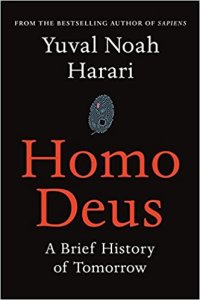 ‘Homo Deus: A Brief History of Tomorrow’ is the follow-up to the hugely successful ‘Sapiens: A Brief History of Humankind’ by Yuval Noah Harari which I read last year. Having examined the development of humans in his first book through the cognitive, agricultural, scientific and industrial revolutions, Harari turns to the challenges of the future in which humans will seek to “upgrade” from Homo Sapiens to gods (or “Homo Deus”), re-engineering our physical and mental capabilities to prevent ageing, escape death and increase happiness. The impact of famine, war and plague has been significantly reduced in recent decades, to the point where we now face the opposite challenges in the form of an obesity crisis, caring for an ageing population with people living longer than ever and a world where more people commit suicide than are killed by terrorists, criminals and conflicts.
  If you had to choose between saving two people you didn’t know or one of your close relatives from drowning, what would you do? What if there were ten strangers who needed to be rescued? Or one thousand? Would you help a starving child standing right in front of you? How about three million living on the other side of the world? Where do you draw the line? These are some of the questions posed by journalist Larissa MacFarquhar in her 2015 book ‘Strangers Drowning: Voyages to the Brink of Moral Extremity’ in which she profiles the true stories of extreme “do-gooders” or those who devote their lives to help strangers rather than people they are close to through a sense of duty. These include a couple who adopt 20 children, a founder of a leper colony, a radical vegan activist, a nurse who set up a women’s health clinic in a warzone and others who live on the bare minimum so that they can donate the vast majority of their salary to charity.
  Medical memoirs such as
 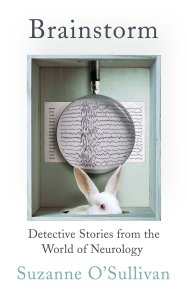 I enjoyed reading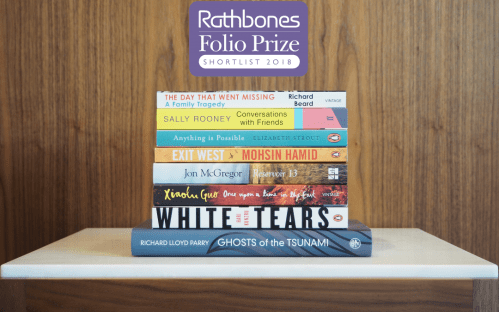
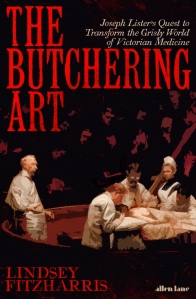 My final Wellcome Book Prize shortlist post is also part of the final day of the blog tour showcasing each book before the winner is announced tomorrow. ‘The Butchering Art: Joseph Lister’s Quest to Transform the Grisly World of Victorian Medicine’ by Lindsey Fitzharris is one of the titles I was particularly interested in reading when the longlist was announced in February. Although Lister is the main biographical subject of the book, ‘The Butchering Art’ also works as a more general narrative non-fiction account of the history of surgery in the mid 19th century.
 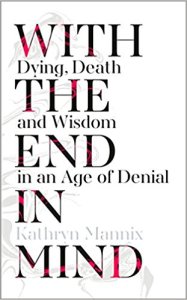 ‘With the End in Mind: Dying, Death and Wisdom in an Age of Denial’ by Dr Kathryn Mannix is a collection of anonymised patient case studies (or “stories” as Mannix calls them) drawn from her thirty years of experience as a palliative care clinician and consultant. It has been shortlisted for this year’s Wellcome Book Prize which I am shadowing with fellow book bloggers
 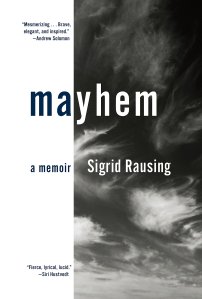 Shortlisted for the Wellcome Book Prize, ‘Mayhem’ is Sigrid Rausing’s family memoir about drug addiction. Her younger brother and heir to the Tetra Pak fortune, Hans Kristian, met American businesswoman, Eva Kemeny, when they were in rehab together in the late 1980s. They later married and became well-known philanthropists based in London. However, they relapsed and in 2007, Sigrid was granted custody of Hans and Eva’s four children. In July 2012, Hans was stopped by the police after driving erratically through London and was found with drugs in his possession. When the police searched his Belgravia mansion, they discovered Eva’s remains hidden under a mattress. She had been dead for approximately two months.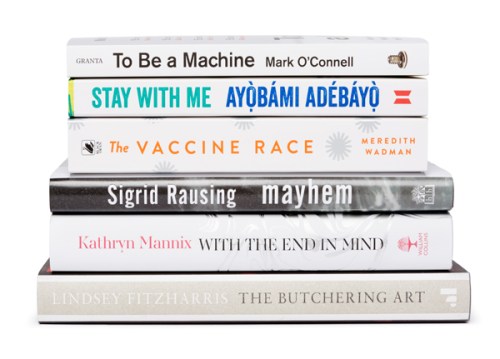
 It’s almost impossible to avoid hearing about Donald Trump’s latest exploits via rolling news headlines every day, but until now, I hadn’t read any books detailing the whole sorry saga of the Trump administration to date. However, ‘Fire and Fury: Inside the Trump White House’ is very much the book of the moment and seeing its author Michael Wolff in conversation with Armando Iannucci (creator of some of the best TV political satires including ‘The Thick of It’ and ‘Veep’) at the Friends House near Euston in London on Friday night was simply too good an opportunity to miss.
 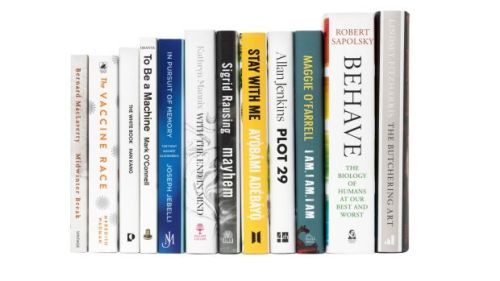 This year’s Wellcome Book Prize longlist has been announced today. The twelve books are:
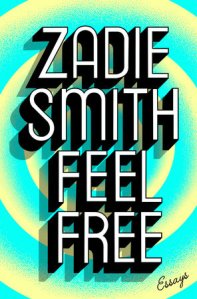 ‘Feel Free’ is a new collection of over thirty essays, reviews and interviews by Zadie Smith divided into five sections. The first and last of these, ‘In the World’ and ‘Feel Free’, cover current events and some autobiographical “life writing”, while ‘In the Audience’, ‘In the Gallery’ and ‘On the Bookshelf’ concern her musings on film, art and writing respectively.
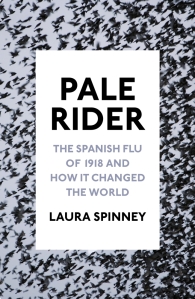 Pale Rider: The Spanish Flu of 1918 and How It Changed The World by Laura Spinney probably isn’t what most people consider to be cosy festive reading over Christmas but it is somewhat seasonal. Much of what has been written about the Spanish flu tends to focus on the impact it had on Western countries in the aftermath of the First World War but Spinney’s book is a refreshingly global account of how the virus reached all corners of the earth from Alaska to Rio de Janeiro to Samoa to China. Estimates remain vague but the Spanish flu is believed to have killed at least 50 million people worldwide, possibly as many as 100 million, and its rapid spread is likely to have been partly exacerbated by soldiers returning home at the end of the First World War.
  Among non-fiction titles, 21 Lessons for the 21st Century by Yuval Noah Harari will be out in August as the historian turns his attention to issues in the present day following the success of




You must be logged in to post a comment.