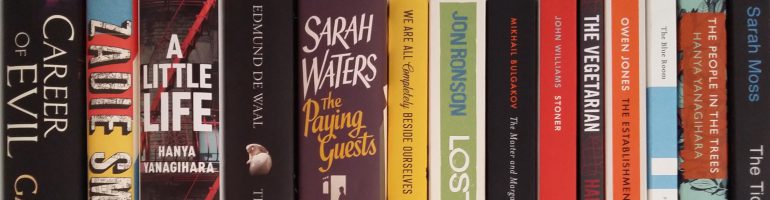
A new year means new books are coming! Here is a selection of books I will be looking out for which are due to be published in the United Kingdom in 2017:
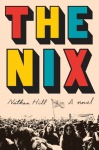 The early months of the year tend to be when lots of debut novels are plugged heavily by publishers. The Nix by Nathan Hill has been a big success in the United States drawing comparisons with everyone from Jeffrey Eugenides to David Foster Wallace and is out this month in the UK. See What I Have Done by Sarah Schmidt is another high-profile debut due in May billed as a historical murder mystery while Lincoln in the Bardo by George Saunders is the long-awaited first novel from the prolific short story writer and is a fictional re-imagining of events following the death of Abraham Lincoln’s son Willie. Continue reading
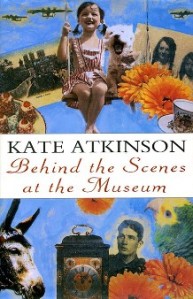 ‘Behind the Scenes at the Museum’ is Kate Atkinson’s debut novel first published in 1995 and narrated by Ruby Lennox born in 1952 to a middle-class family who live above a pet shop in York. The plot alternates between chapters recounting significant events in Ruby’s childhood during the 1950s and 1960s and extended “footnotes” about the earlier generations of her family told in non-chronological order. Most significantly, the story of what happened to Ruby’s great-grandmother Alice has implications for the whole family for many years to come.
  My reading has been dominated by female authors more than ever this year. This isn’t something I deliberately set out to achieve but it is fantastic to see so many brilliant books written by women getting widespread attention. I highly recommend
  I really enjoyed
  Although Ian McEwan has tackled a vast range of subject matters in his literary fiction, many of his books fall into specific categories or share distinct themes. There are the early macabre works like ‘The Cement Garden’, the espionage stories such as ‘The Innocent’ or
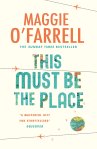
 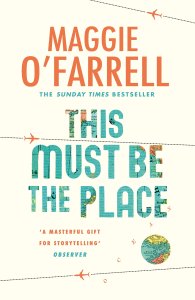 ‘This Must Be The Place’ by Maggie O’Farrell tells the story of Daniel Sullivan, an American linguistics professor living in a remote farmhouse in Donegal with his reclusive ex-film star wife Claudette, their two children and Claudette’s son from a previous relationship. When Daniel learns that an ex-girlfriend died shortly after they split up in the 1980s, he sets out to discover what happened to her all those years ago, even if it risks destroying his struggling marriage.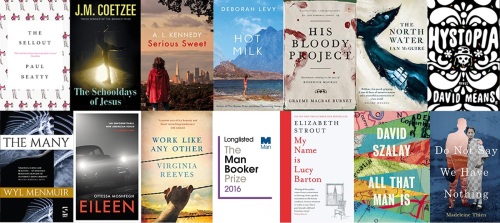
 Although I have been following several major literary awards for the past few years, I have never written a blog post specifically outlining my predictions for the Man Booker Prize… until now. Famously dubbed “posh bingo” by 2011 winner Julian Barnes, predicting which 12 or 13 titles will be on the longlist has always been notoriously difficult. Until 2014, the Prize was previously only open to authors from Commonwealth countries but the eligibility criteria have since been extended to allow any work of fiction written in English and published in the United Kingdom to be entered for the Prize. This only makes the annual guessing game even more challenging.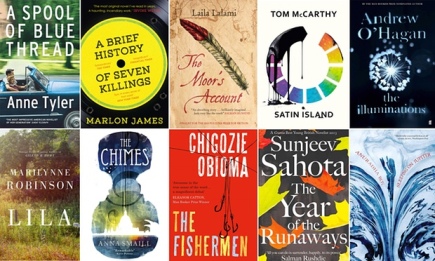

 Life After Life by Kate Atkinson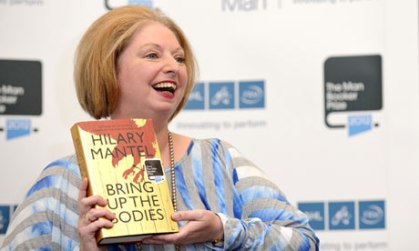




You must be logged in to post a comment.